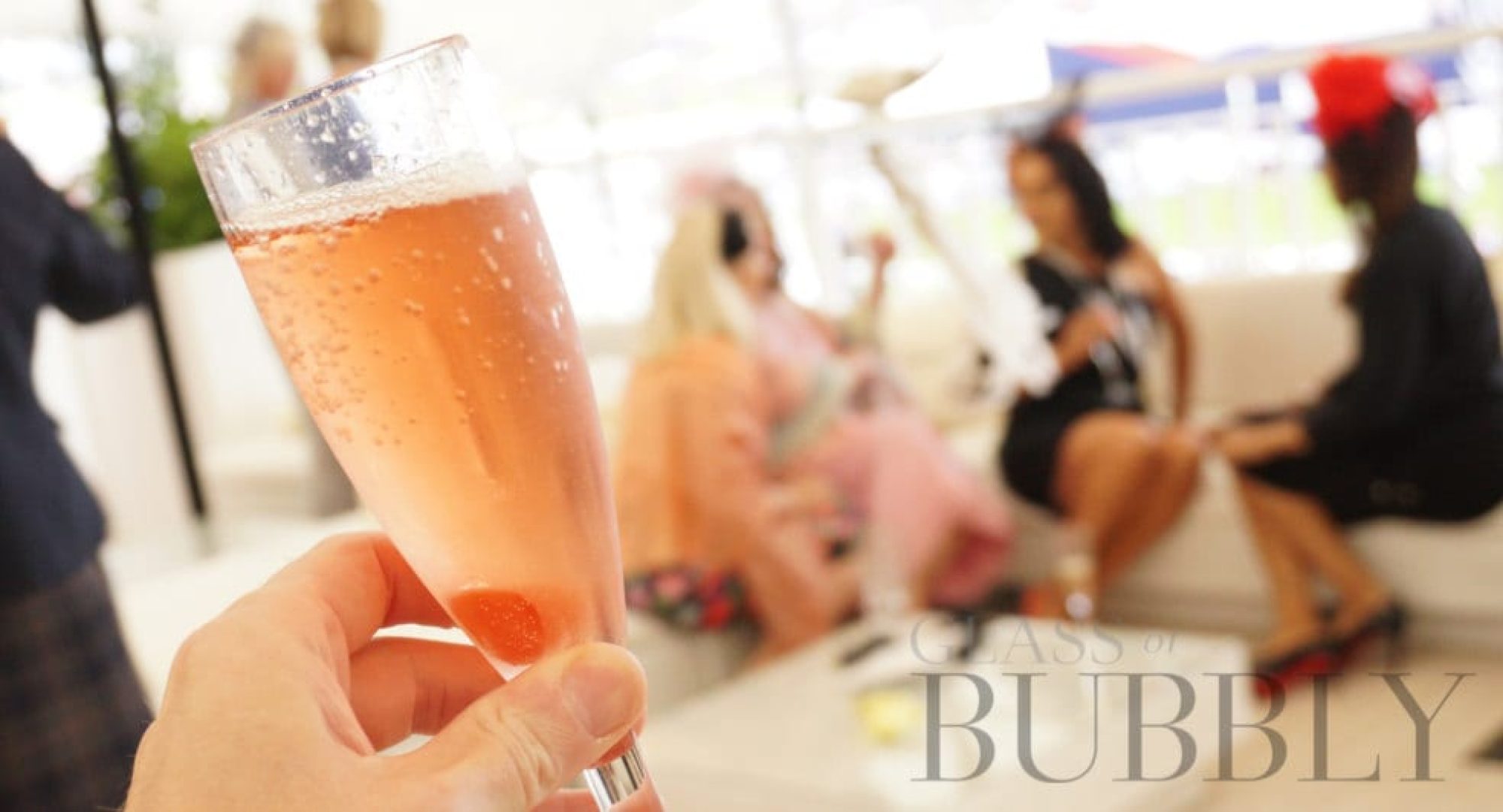
The pop of a cork sounds like the start of a celebration. Foam rises toward the rim of the glass. Golden bubbles catch the light. In this way, Champagne turns an ordinary moment into an event.
This drink has long moved beyond the festive table. People use it to mark victories, major deals, premieres, and personal achievements. It appears at formal receptions, private clubs, and home gatherings.
Its link with success did not appear by chance. People often open a bottle after a finish, an announced result, or an important decision. Champagne arrives when the tension has passed. It becomes a sign of a completed struggle and a deserved reward.
Champagne is also linked with excitement. It accompanies races, tournaments, card evenings, and social events. Forms of entertainment change, but the familiar ritual remains. People chill the bottle, fill the glasses, and raise them to mark a successful moment.
Champagne at Social and Private Events
People serve Champagne when they want to stress the importance of a meeting. It appears at weddings, premieres, business receptions, and festive dinners. It is also a common choice for home gatherings, club evenings, and small celebrations.
The drink suits events with a lively pace. A glass is easy to hold. Sparkling wine needs little preparation. The sound of an opening bottle changes the mood in the room at once.
Champagne often accompanies game nights. Guests may drink it during a chess match, a board game, or a friendly tournament. It does not become the main focus of the evening. It simply adds to the atmosphere and helps mark a strong move or a final result.
Today, some of these gatherings take place online. Participants talk through video calls, follow the game, and use digital platforms such as BC Poker. The familiar parts of the evening remain the same: a comfortable table, light snacks, music, and chilled Champagne.
In this setting, the drink adds the right accent. People may open it at the start of the meeting or after the final result. One glass can turn a normal evening into a small event.
Why Champagne Is Linked With Victory
Champagne often appears when waiting gives way to a result. A winner crosses the finish line. A team closes a difficult deal. A player completes the final round. Guests hear the outcome and can finally relax.
The pop of the cork works like a sound signal. It tells everyone that an important stage has ended. The guests then raise their glasses together. This simple gesture unites people and helps fix the moment in memory.
EventWhen Champagne Is ServedWhat It HighlightsSports finalAfter the winner is announcedTriumph and recognitionBusiness meetingAfter an agreement is signedThe end of important workGame nightAfter the final roundLuck and a strong resultPremiere or showAfter the program endsThe success of the eventPrivate celebrationDuring a shared toastJoy and unity among guests
Champagne does not create victory. It makes victory visible. A bottle turns the result into a short ritual that everyone understands without explanation.
Sport, cinema, and advertising strengthened this image. Winners raise bottles on podiums. Film characters open Champagne after a successful deal. Guests pour it before an important toast. Repetition made the drink a clear symbol of success.
How Champagne Became Part of the Culture of Excitement
Champagne has long accompanied events built around risk, waiting, and a fast result. People serve it in clubs, at races, around gaming tables, and during private tournaments.
The drink fits this setting well. It looks festive. It needs little preparation. One bottle can make the evening feel special at once.
Its popularity rests on several simple reasons:
- Champagne is easy to serve. You only need to chill the bottle and prepare the glasses.
- It highlights an important moment. The pop of the cork adds force to the final result.
- The drink suits a short toast. Guests do not need to interrupt the game for long.
- A glass takes up little space. It fits easily beside cards, chips, or snacks.
- Sparkling wine is linked with success. People often open it after a good result.
Excitement does not always involve a large stake. It can also appear during a friendly debate, a quiz, or a board game. People wait for the result, watch their opponents, and react to an unexpected turn.
Champagne supports this rhythm. Bubbles, cold glass, and the light sound of raised glasses create a lively mood. For this reason, the drink suits both large celebrations and small private gatherings.
How Digital Formats Changed Game Nights
In the past, participants gathered around one table. They brought cards, chips, food, and several bottles. Today, some of these meetings take place through a smartphone or laptop.
People may live in different cities. Even so, they keep the familiar evening ritual. Participants agree on a time, prepare drinks, and join the same game.
Champagne also suits this format. People may open it before the meeting begins or after the final hand. The drink helps separate leisure time from work. A glass, quiet music, and a comfortable seat can create a club-like atmosphere even at home.
Mobile services have made access to games easier. A user can open BC Poker App, choose a suitable format, and join a game without a separate gaming table. The other parts of the evening remain familiar: good company, light snacks, and chilled sparkling wine.
For a long gathering, dry Champagne is often the best choice. It keeps a fresh taste and pairs well with small snacks. The bottle should stay in an ice bucket. This helps the drink remain cold until the end of the evening.
How to Serve Champagne During a Gathering
Proper service does not require complex rules. Chill the bottle in advance. Champagne that is too warm loses freshness quickly and may foam too strongly when opened.
Hold the cork with one hand. Turn the bottle slowly rather than twisting the cork. This method reduces pressure and helps open the bottle without a sharp shot.
Do not fill the glasses to the rim. A smaller pour stays cold longer. Guests can also move freely without spilling the drink on the table.
Champagne pairs well with cheese, seafood, fruit, and small canapés. These foods need no knife and do not interrupt conversation or play.
Conclusion
Champagne keeps a special place in the culture of celebration. People serve it after a victory, during an important meeting, and around a gaming table. It suits both a large reception and a quiet evening at home.
The power of the drink lies in a simple ritual. The bottle is chilled. The cork comes out with a pop. The glasses fill with foam and bubbles. Everyone understands at once that the moment deserves attention.
Champagne connects many forms of leisure. It works at a premiere, a business dinner, a sports final, and a friendly game. Formats change, but the gesture remains easy to recognize.
For this reason, Champagne has become more than a drink. It serves as a sign of success, risk, connection, and shared celebration.