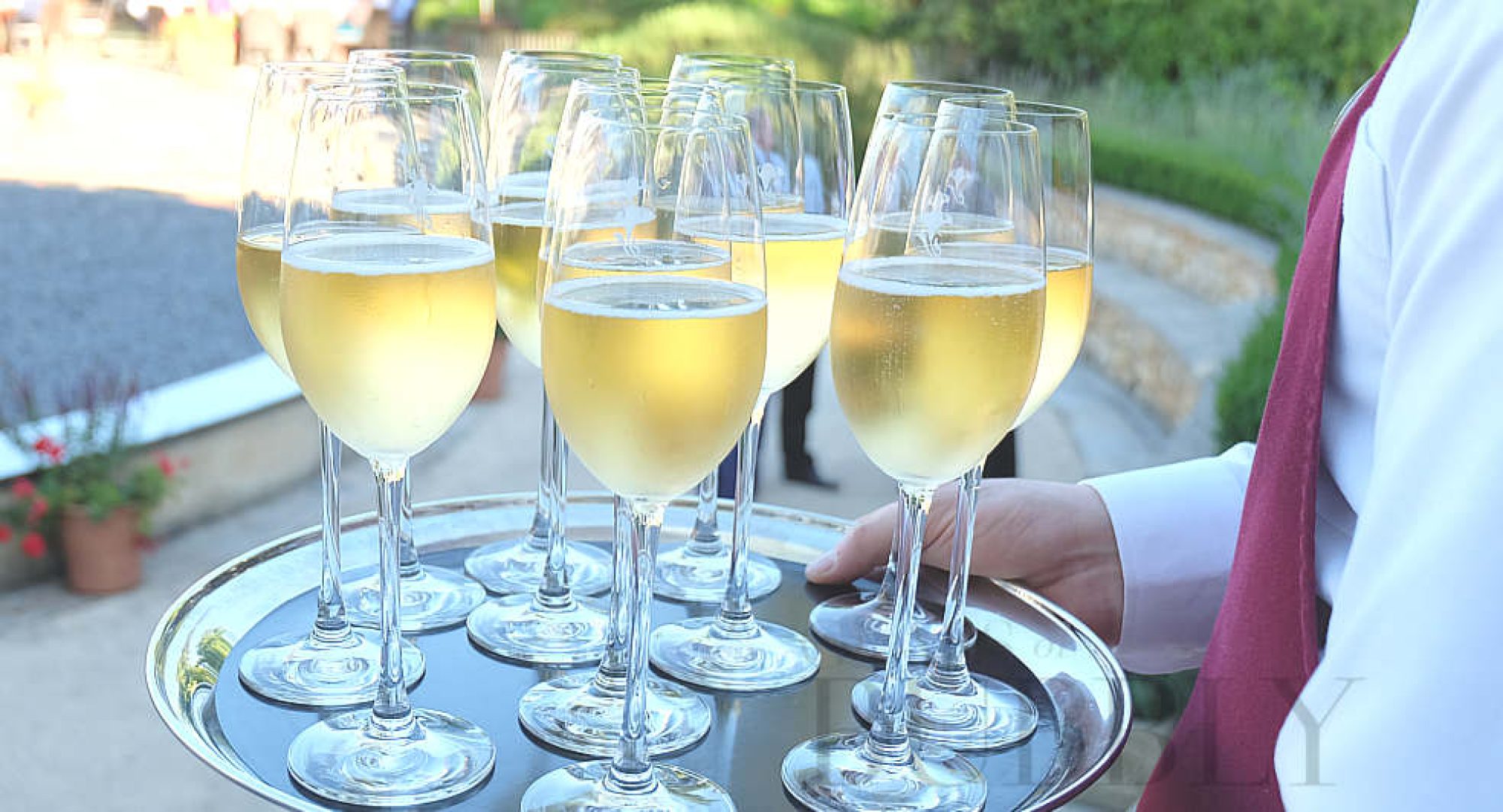
Few sounds signal a celebration like a cork easing out of a Champagne bottle. The pop, the rising bubbles, and the first toast set the mood for the night. Sparkling wine has marked weddings, birthdays, and quiet wins for centuries. You do not need a big budget to serve it well. The best celebrations feel generous, even when the spending stays modest.
Great hosting is about the moment, not the markup. The same value mindset shapes how adults plan a relaxed evening. In provinces where it is legal, some adults also choose to buy affordable weed online to unwind. This guide stays firmly on the bubbly, from picking a smart bottle to pairing and serving it with style.
What Makes Champagne Right for a Celebration?
Champagne earns its place through ritual and taste. The bubbles catch the light and lift the mood the moment glasses meet. Its crisp acidity and fine mousse pair with a wide range of foods. That flexibility makes it the wine of celebrations across the world. A single well-poured glass can turn an ordinary evening into an occasion.
The name carries meaning too. True Champagne comes only from a defined region in northeast France. Its hillsides and cellars even hold a spot on the UNESCO World Heritage list. Sparkling wines from elsewhere can shine, yet the name signals a certain standard. That guarantee of origin is part of what you toast.
How Do You Choose a Great Value Bottle?
Value is a number you can calculate, not a guess. A few checks separate a smart buy from an overpriced label:
- Look beyond big Champagne houses to grower bottles and cava.
- Prosecco and cremant deliver real quality for less money.
- A standard bottle holds 750 ml and pours about 6 glasses.
- Buy by the case when a sale lands to lower the per-bottle cost.
- Check the vintage, since non-vintage bottles cost less and suit most parties.
Do the math once and it becomes a habit. The lowest sticker rarely wins after you count the glasses poured. A $25 bottle that serves 6 people beats a $40 bottle every time. Keep a short list of trusted shops and watch their weekly deals. A quick price comparison rarely takes more than 5 minutes.
Which Foods Pair Best With Sparkling Wine?
Bubbles love salt, fat, and crunch. That is why sparkling wine works with so many dishes. A few pairings rarely miss:
- Salty snacks like chips, popcorn, and cured olives.
- Fried bites, from tempura to crisp chicken.
- Soft cheeses and a fresh baguette.
- Fresh oysters and other briny seafood.
- Berries and light desserts for the final toast.
Match the wine’s sweetness to the plate. A brut stays dry and clean with savory food. A demi-sec leans sweeter and flatters fruit and dessert. When in doubt, a dry brut suits almost any table.
How Do You Serve Bubbly Like a Pro?
Serving well costs nothing and raises the whole experience. Chill the bottle to about 45 degrees Fahrenheit for the best flavor. About 20 minutes in ice water does the job faster than the fridge. Open the cork with a soft sigh, not a loud bang, to keep the wine calm. A steady chill keeps the fizz fine and the taste bright.
Pour into a tulip glass or a white wine glass, not a flat coupe. That shape holds the aroma and the bubbles longer. Fill each glass about two thirds full. Wipe the bottle dry so it does not slip from cold hands. Small touches like these make an affordable bottle taste like a treat.
Where Does Champagne Come From?
The Champagne region sits about 90 miles east of Paris. Rolling vineyards line the towns of Reims and Epernay. Many houses run cellar tours and tastings for visitors. A weekend there turns a favorite drink into a real travel memory. Spring and early fall bring mild weather and lively harvest energy.
You do not have to fly to enjoy that spirit at home. Set the table, cue a playlist, and treat the pour as the main event. The care that goes into celebrating small moments matters more than the price tag. A thoughtful host makes any bottle feel special.
The Celebration Checklist
Keep these points in mind before your next toast:
- Compare cost per glass, not just the price on the label.
- Grower Champagne, cava, and cremant all offer strong value.
- Pair bubbles with salty, fried, or briny food for the best match.
- Serve chilled near 45 degrees in a tulip glass.
- A 750 ml bottle pours about 6 glasses, so plan by headcount.
- Read a trusted guide to Champagne before a big event.
Raising a Glass to the Occasion
A great celebration rewards planning, not spending. Choose a value bottle, pair it with simple food, and serve it with care. Those habits let any host pour with confidence on any budget. Do that, and the moment matters far more than the receipt. Raise a glass to spending less without settling for less.
FAQ
How Much Champagne Do You Need per Guest?
Plan on about 2 glasses each for a toast, or half a bottle per person for a longer party. A 750 ml bottle serves roughly 6 glasses, so buy by the headcount. Sparkling wine also works well as a welcome pour by the door.
Is Cheaper Sparkling Wine Lower In Quality?
Not always. Prosecco, cava, and cremant deliver real quality for less than famous Champagne labels. Taste a few and trust your own palate over the price.
What Is the Best Way to Chill a Bottle?
An ice bucket with water and ice chills a bottle in about 20 minutes. Aim for 45 degrees Fahrenheit for crisp, lively bubbles. Skip the freezer, since deep cold dulls the aroma and flavor.
Which Glass Works Best for Champagne?
Skip the flat coupe, which lets the bubbles fade fast. A tulip glass or a standard white wine glass keeps the aroma and fizz alive longer. Hold the glass by the stem to keep the wine cool.