
8 Tasting Notes Every Whisky Enthusiast Should Know
27th February 2026
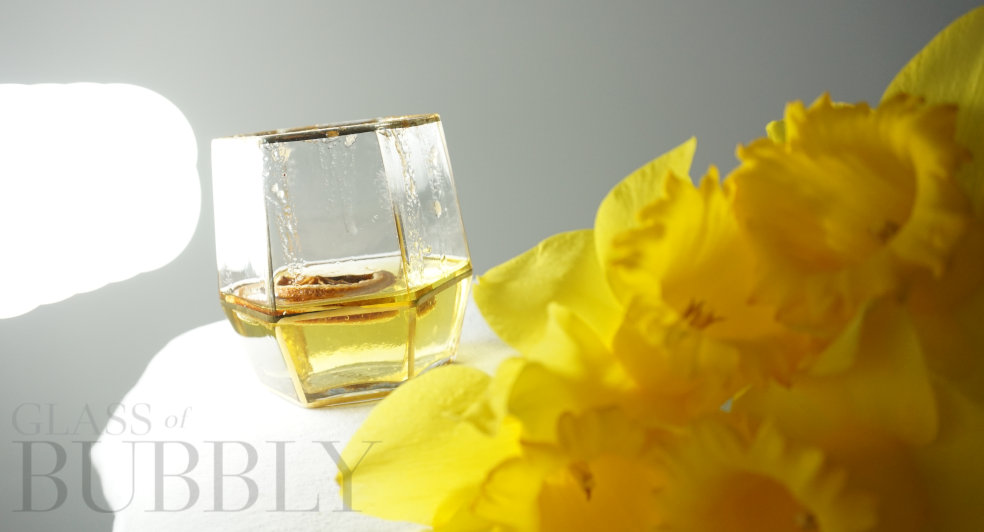
For many, the journey of whisky appreciation can be immensely fulfilling. While anyone can appreciate a delicious glass, familiarity with the primary tasting notes can contribute towards proper description and enjoyment. When drinkers know what to look for, they can better relate to and share with each other. Discovering these flavours can make any common swig a meaningful memory. These are the eight key whisky tasting notes you need to know.
Smoky
Certain whiskies often exhibit a strong and assertive smoke flavour. This more famous flavour is made from peat, which is used in the malting process. Some whiskies give soft smoke notes, while others have a huge earthy smokiness. Being able to taste smoke can lead to an even greater appreciation of regional differences and production methods. For the whisky novice, smoky flavours can be quite brash, but they are often appreciated later on for their complexity. Choosing Sullivan’s Cove highlights how single malt whisky delivers complexity across aroma, palate, and finish.
Fruity
Fragrant fruit notes lend freshness and elevate balance. The flavours are typically infused with apple, pear, orange, or dried fruits such as raisins. These flavours are influenced by the grains used and the casks in which the spirit ages. Certain whiskies emphasise bright orchard fruit, whereas others deliver relatively dense stewed characteristics. Fruitiness can help identify the origin and maturation of a spirit.
Spicy
Whisky with spice is just more intriguing. It can have notes of cinnamon, pepper, nutmeg, and clove. Often, these notes come directly from the barrels themselves, especially those that have previously undergone seasoning for products like sherry or bourbon. The spiciness offers warmth in the mouth and a nice presence in the immediately following sip. For many people, spice is what separates the great whiskies from the mundane.
Sweet
Sweetness muffles stronger flavours. Particularly in spirits matured in American oak barrels, a hint of honey, caramel, vanilla, or toffee can be detected. These notes will offset smoke or spice to make each sip expansive and approachable (although some on the opposite end of the aisle may quibble with “smooth”). Sweet flavours are comforting and offer something familiar; it is an element that customers eagerly embrace in a glass of whisky.
Woody
Wood influences nearly every whisky. Oak barrels give hints of cedar, pine, or even sawdust, imparting the maturation. At times they show up as subtle background melodies, and at other times, they are in the forefront. The barrel type and length of ageing dictate the level of woodiness that evolves. Woody notes can also lead you to judgement regarding the age of the whisky and the storage conditions.
Floral
Floral notes add refinement and softness. In gentler spirits, there may be notes of heather, roses, or lavender. The notes often derive from the grains or yeast used in production. Flower notes in a whisky can make each sip feel fresh and light. Floral notes are sometimes a clue to distinct distilling regions and styles of production.
Malty
Malt brings grain-forward flavours. Many more traditional whiskies feature biscuit-, cereal-, or bread-like flavours. They showcase the richness of malted barley, the artistry of spirit producers, and the engineering behind the raw flavours. The flavours of malt can provide richness, wake up the palate, and create a sense of fullness in the mouth. Understanding these flavours immerses the drinker in the essence of whisky creation.
Nutty
The flavours often come off with nutty characteristics, which tend to add depth and complexity. A few almond, walnut, or hazelnut notes can be added to your drinking experience. These tend to be more common during fermentation or ageing, especially in certain types of barrels. Nuts are more or less present in whisky (subtly vs. strong presence). Understanding these can separate one bottle from another and enhance the tasting experience.
Conclusion
The way whisky is enjoyed can be changed by understanding these eight tasting notes. With every sip, you explore history and craftsmanship. So I do share these observations, and it tends to make gatherings more interesting as well as educative. The tastes can be from a new bottle or an old standard, but identifying these flavours helps with appreciation.

Glass of Bubbly Content
Content shared by this account is either news shared free by third parties or advertising content from third parties and affiliations. Please be advised that links to third party websites are not endorsed by Glass of Bubbly Ltd - Please do your own research before committing to any third party business promoted on our website.