
A guide to dry styles this January
23rd January 2026
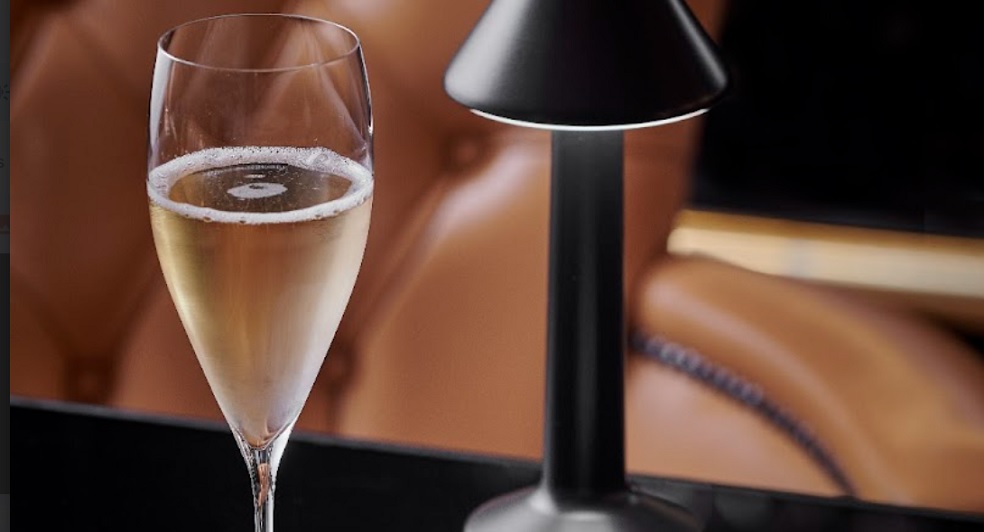
Over recent years, Dry January has become an increasingly popular initiative across the UK, with the latest figures revealing that a third of Brits were estimated to be partaking in the trend this year, marking the biggest Dry January on record.
Those who are not currently taking part in Dry January – or may have broken Dry January given it is now near the end of the month – may be tempted by Damp January; a new trend with a more moderate approach, which involves reducing alcohol rather than stopping completely.
With this in mind, The Champagne Bureau UK has put together a guide focused on dry styles, which have very little or no added sugar, for a pure and mineral taste. This trend has gained popularity in recent years, with Extra Brut Champagne shipments to the UK increasing by over 700%, and Brut Nature (or Zero Dosage) increasing by 56.55 % since 2019 (pre-pandemic data).
Why Dry?
When a drink is referred to as ‘dry’, the flavour profile is one which is less sweet, relying upon flavouring agents like herbs, citrus or bitters. For anyone lacking a sweet tooth, dry alcohol would be a preferable option, opening a myriad of opportunities when it comes to dry styles across wine, spirits and even lager.
A guide to dry Champagne
The appeal of dry Champagne is actually reflected in the most popular Champagne style, a Brut, which became increasingly popular thanks to the Brits. In the 19th Century, Champagne was typically sweet (often catered to European tastes), but the British preferred a much drier and less sweet style.
Today, Brut Champagne represents over 80% of total Champagne shipments to the UK. ‘Brut’ refers to the dosage of Champagne: the addition of sweetness at the end of the vinification process. A Brut Champagne contains less than 12 grams of sugar per litre, with over 90% of Champagne wines resulting from the ‘Brut’ dosage.
Though still representing a small share of the overall Champagne market, Extra Brut is growing in popularity, and contains less than six grams of sugar per litre. A Brut Nature (or Zero Dosage) contains less than three grams per litre.
How to elevate your dry style with food pairings
‘Dry’ drinks are characterised as being clean and crisp: a refreshing shift in January from the indulgent flavours enjoyed over the festive period. This lighter palette makes dry alcohol styles ideal to enjoy with food pairings, refreshing the palette as opposed to competing with it.
Crisp and acidic, a dry Champagne pairs beautifully with seafood, elevating the saline and mineral notes. Try pairing a Brut, Extra Brut or Brut Nature with oysters and shellfish, the oceanic flavours of these delicate dishes shining alongside a glass of bubbles.
Champagne Bureau UK
The Champagne Bureau UK serves as an extension of the Comité Champagne, the trade association representing houses and growers in Champagne. Images belongs to Comité Champagne and Glass of Bubbly was granted permission to use them.