
A Guide to Perfect Champagne Food Pairings in the UK
7th January 2026
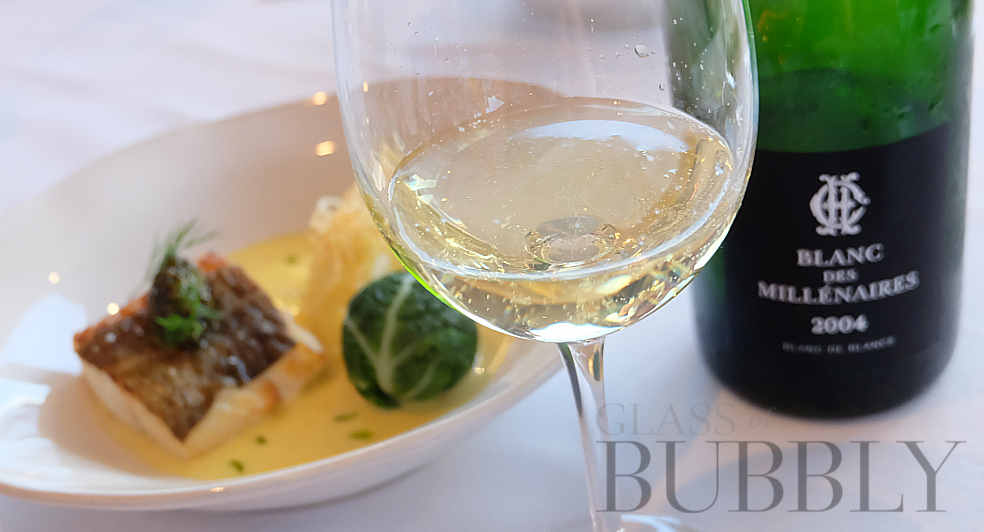
Champagne is more than a celebratory drink. Its bright acidity, fine bubbles, and delicate flavours make it one of the most versatile wines on the table. Whether you’re toasting a special occasion or simply enjoying a weekend meal, pairing food with Champagne can elevate both the drink and the dish.
In the UK, where food culture blends local traditions with global influences, knowing what to pair with Champagne turns a good meal into a memorable experience. This guide will walk you through classic and creative pairings that work beautifully with different styles of Champagne.
Know Your Champagne Styles
Before pairing, it helps to understand the basics of Champagne styles:
- Brut is the most common style, dry with crisp acidity. It pairs well with a wide range of foods.
- Extra Brut and Brut Nature are very dry and ideal for lighter, saltier foods.
- Demi-Sec is sweeter, pairing well with desserts or spicy food.
- Blanc de Blancs (made from Chardonnay) is elegant and delicate.
- Blanc de Noirs (made from Pinot Noir/Meunier) is richer and fruitier.
Matching texture and flavour intensity between the food and the Champagne creates harmony on the palate.
Classic UK Pairings That Always Work
Oysters and Seafood
Fresh oysters and Champagne are a timeless combination. The briny minerals of the oyster are refreshed by the wine’s acidity and bubbles. In seaside towns across the UK — from Whitstable to Cornwall — this pairing is a must-try.
Champagne also complements shellfish like scallops, crab, and lobster. Serve simply steamed or with light citrus dressings to let the interaction between food and wine shine.
Smoked Salmon and Fish Dishes
Smoked salmon and Champagne are a match made in culinary heaven. The smoky, silky richness of the fish balances perfectly with Champagne’s fresh acidity.
In the UK, smoked salmon is a popular starter at many fine dining restaurants and festive gatherings. Try it with a dry Brut or Blanc de Blancs to enhance the fish’s texture without overpowering it.
British Cheeses and Champagne
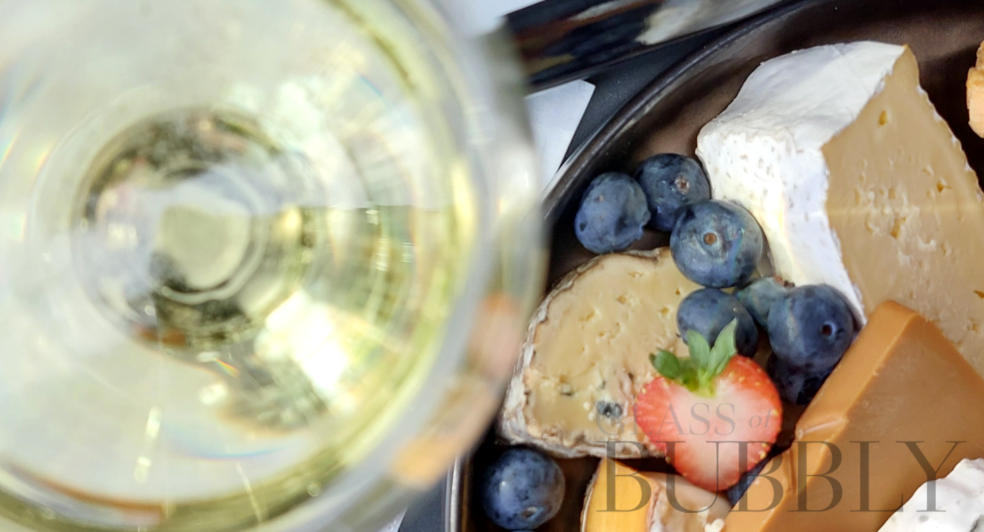
Cheese and Champagne might not be the first pairing that comes to mind, but it works beautifully.
Soft Cheeses
Camembert, Brie, and other soft, creamy cheeses pair well with lighter Champagnes. The acidity cuts through the creaminess, cleansing the palate and keeping flavours fresh.
Aged Hard Cheeses
For richer, aged English cheddars or Comté, choose a Champagne with more body, such as Blanc de Noirs. These wines have enough structure to stand up to bold cheeses.
Poultry and Pork
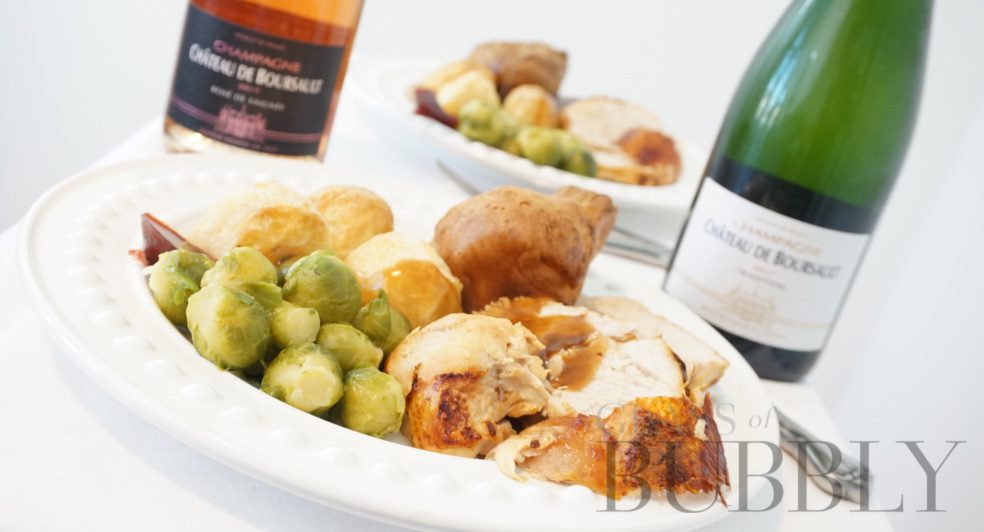
Champagne is surprisingly versatile with meat.
- Roast chicken with herbs pairs well with a Brut Champagne.
- Turkey — especially around holiday feasts — works with both Brut and slightly richer Champagne styles.
- Pork tenderloin with fruit sauces complements the fruity notes in many Champagnes.
These pairings are perfect for celebratory dinners or weekend roasts in the home.
Tapas and Small Plates
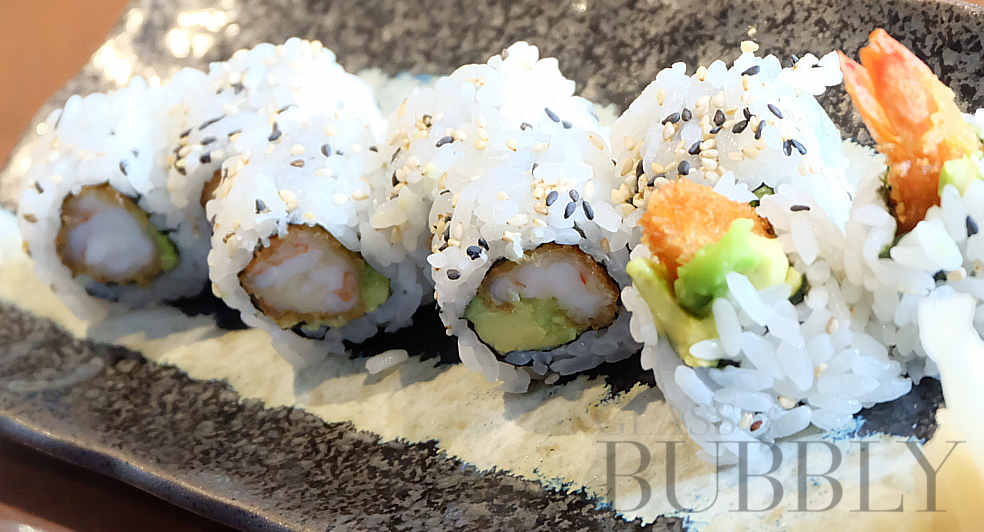
Champagne holds up well to small plates and sharing platters. Try:
- Light fried foods like tempura or fish goujons
- Salted nuts and olives
- Sushi and sashimi
- Tempura prawns or vegetable fritters
The bubbles cut through salt and fat, refreshing the palate after each bite. These options work brilliantly for casual gatherings or afternoon aperitifs.
Sweet Endings
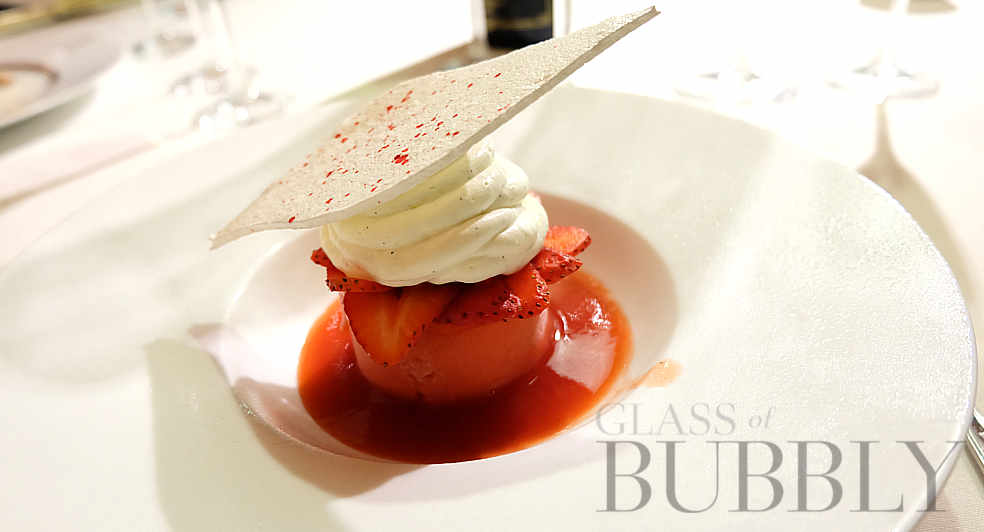
Champagne can also be a dessert wine, especially sweeter styles like Demi-Sec.
Pair Demi-Sec Champagne with:
- Fruit tarts and berry desserts
- Creme brûlée
- Almond biscuits or shortbread
Balancing sweetness with moderate acidity creates a dessert experience that’s light and elegant.
Tips for Pairing Champagne at Home
Serve Champagne Properly
Temperature matters. Champagne is best served well-chilled, around 8–10°C. A proper chill enhances the bubbles and brings out bright flavours.
Use flutes or white wine glasses. While flutes show bubbles beautifully, white wine glasses allow the aroma to open up more fully.
Balance Flavour Intensity
Pair light foods with lighter Champagnes and richer dishes with fuller styles. The goal is not to overpower or underwhelm either component.
Think About Occasion and Setting
Champagne is as at home with informal meals as it is with formal dining. A platter of smoked salmon and artisan bread with a Brut Champagne feels just as celebratory as a formal multi-course dinner.
Using Local Resources Before Your Pairing
If you’re planning a trip or preparing for a special meal in the UK, organising travel logistics and local needs ahead of time can make your experience smoother. For example, before heading out to a special dinner or wine tasting, many travellers like to sort practical details like currency exchange. Services such as TravelCash in Chesterfield offer reliable exchange options nearby, helping you focus on enjoying local flavours without last-minute stress.
Final Thoughts
Pairing Champagne with food is both an art and a pleasure. The vibrant acidity, delicate bubbles, and diverse styles of Champagne make it one of the most versatile wines for food pairing. Whether you prefer seafood, cheese, roast dishes, or sweet treats, there’s a Champagne style to match.
In the UK, with its rich culinary scene and global influences, experimenting with Champagne pairings can turn ordinary occasions into memorable moments. Start with these classic suggestions, then explore your own combinations.
Great pairing comes from curiosity and enjoyment. Pop the cork, savour the flavours, and make every meal a celebration.

Glass of Bubbly Content
Content shared by this account is either news shared free by third parties or advertising content from third parties and affiliations. Please be advised that links to third party websites are not endorsed by Glass of Bubbly Ltd - Please do your own research before committing to any third party business promoted on our website.