
Bubbles & Botanicals: The Ultimate Pairing Guide
23rd December 2025
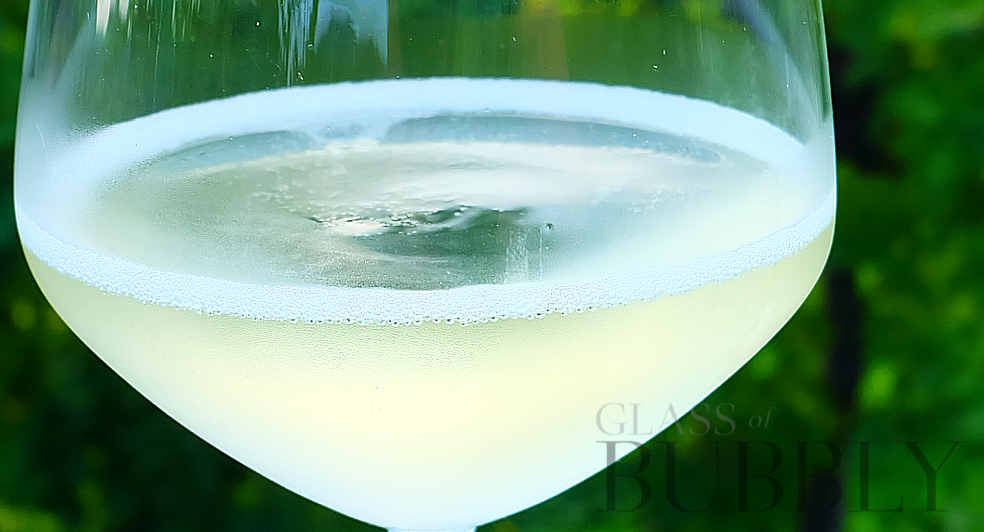
A cold bottle of sparkling wine tends to bring out snack plates, small bites, and slow pacing. Bubbles lift aroma fast, and they make sweet and salty flavors feel sharper. That matters when your treats carry herbal notes or infused butter.
Many home hosts now keep flower on hand for infusions, not just pre made sweets. Some people even choose smaller buds for cooking, like buy cannabis popcorn, since they can work well in infused recipes. The pairing goal stays simple, match intensity, manage timing, and keep flavors clean.
Start With Flavor, Not Potency
Sparkling wine sits on a wide range, from bone dry brut nature to soft demi sec. Dry styles highlight citrus peel, green apple, and toasted bread notes. Sweeter styles push pear, honey, and pastry cream forward.
Cannabis treats also vary, even before infusion strength enters the picture. Chocolate, shortbread, and caramel carry fat and sugar that blunt bitterness. Fruit chews and gummies highlight tart notes that can clash with sharp bubbles.
It helps to learn the core effects and timing patterns before pairing anything at a gathering. The National Institute on Drug Abuse summarizes common effects, routes of use, and risks in plain terms.
Use a simple intensity rule that works across foods and drinks. Light treats pair best with high acid, dry sparkling wine. Rich treats pair best with rounder styles, or with longer lees aging.
Match Sparkling Wine Styles to Common Treat Types
Champagne and traditional method sparkling often show brioche, almond, and light smoke notes. Those flavors sit well beside baked goods with browned butter. A plain sugar cookie with infused butter can taste more layered with a brut.
Tank method styles, like many Prosecco bottles, lean toward peach and white flowers. They pair best with fruit based treats and lighter chocolate. If a treat tastes like berry jam, keep the wine bright and simple.
Rosé sparkling brings strawberry, red apple skin, and gentle tannin from grape skins. That profile can handle cocoa, nuts, and spiced sugar. It also works well with treats that use citrus zest or dried cherry.
Use this quick guide as a starting point, then adjust based on what you actually taste.
- Brut with shortbread, plain brownies, and butter based cookies that carry toasted edges.
- Extra dry or demi sec with fruit tarts, lemon bars, and sweeter chews.
- Rosé brut with dark chocolate, hazelnut, and cinnamon sugar pastries.
- Blanc de blancs with herbal, mint, or citrus notes that feel clean and lifted.
Keep pours small and refresh the glass often. Warmer bubbles taste softer, which can hide mismatches. A chill bucket buys you more control during the evening.
Keep Timing and Mixing Risks in View
Edible effects arrive slower than most people expect at a table. A dessert bite can feel calm for an hour, then rise in strength later. Sparkling wine can also mask how fast you are sipping, because it feels light.
Alcohol and cannabis together can raise impairment more than either one alone. People may feel dizzy sooner, or misjudge coordination and reaction time. The National Institute on Alcohol Abuse and Alcoholism covers alcohol effects and risk basics.
Plan the order with pacing in mind, not just taste. Serve the drink first, then offer the treat later, with food present. That spacing helps guests notice how they feel before they add more.
A few hosting habits cut down avoidable problems without killing the mood.
- Put water within reach, and refill glasses without waiting for someone to ask.
- Keep protein snacks out, like nuts, cheese, or hummus, to slow absorption.
- Offer a clear stop point, such as dessert ends at a set time, then only tea.
- Remind guests not to drive, and set rides early, before anyone feels foggy.
Choose Treat Formats That Respect Sparkling Wine
Not every cannabis treat works well beside sparkling wine, even when flavors seem compatible. Texture, melt rate, and sweetness level all affect how bubbles behave on the palate. A pairing that looks balanced on paper can feel clumsy after the first sip.
Baked treats tend to work better than sticky or gelatin based options. Cookies, shortbread, and small cake squares break down cleanly, leaving the wine to refresh the mouth. Gummies and caramels can cling to teeth, dulling acidity and flattening aroma.
Fat content matters as much as sweetness. Butter and oil soften sharp edges in both the treat and the wine. That makes high acid styles feel rounder, but it can also hide subtle notes if overdone. Aim for moderate fat, not dense frosting or heavy fillings.
Portion shape also affects pacing and comfort. Thin, single bite pieces give guests control without guesswork. Large brownies or filled pastries invite uneven dosing and distract from the drink.
When planning formats, keep these practical points in mind:
- Dry, crumb based treats pair best with brut or extra brut styles.
- Fruit based bars work better than gels or chews beside aromatic bubbles.
- Chocolate should be firm and low in added sugar to avoid coating the palate.
- Avoid coatings that melt fast, such as fondant or thick glaze.
Treat format choices may seem small, yet they often decide whether a pairing feels smooth or tiring. Clean textures keep attention on taste, not on managing residue or sweetness buildup.
Build a Small Pairing Setup That Tastes Clean
Glass choice matters more with sparkling wine than many people think. A narrow tulip keeps bubbles lively while still letting aroma open. Avoid wide coupes for pairing work, since aroma and fizz fade faster.
Treat serving size should stay small, even for experienced guests. One bite gives flavor without forcing a full dose. If treats are home made, label them clearly and store extras out of reach.
Keep the tasting flow consistent so people can compare without guessing. Start with the driest bottle and the lightest treat, then move upward. Finish with sweeter sparkling and richer flavors, since sugar can flatten a dry wine.
If you want a simple plating plan, use a three plate setup with clear spacing. Plate one holds plain cookies, plate two holds fruit based pieces, and plate three holds chocolate. That layout makes it easy to match and reset your palate.
A good pairing night feels calm, not rushed. Choose two wines, not five, and keep the menu tight. With clear pours, small bites, and smart pacing, sparkling wine and cannabis treats can share a table without confusion.

Glass of Bubbly Content
Content shared by this account is either news shared free by third parties or advertising content from third parties and affiliations. Please be advised that links to third party websites are not endorsed by Glass of Bubbly Ltd - Please do your own research before committing to any third party business promoted on our website.