
Can Champagne Go Bad at a Party? Safety, Quality, and Time Limits
17th December 2025
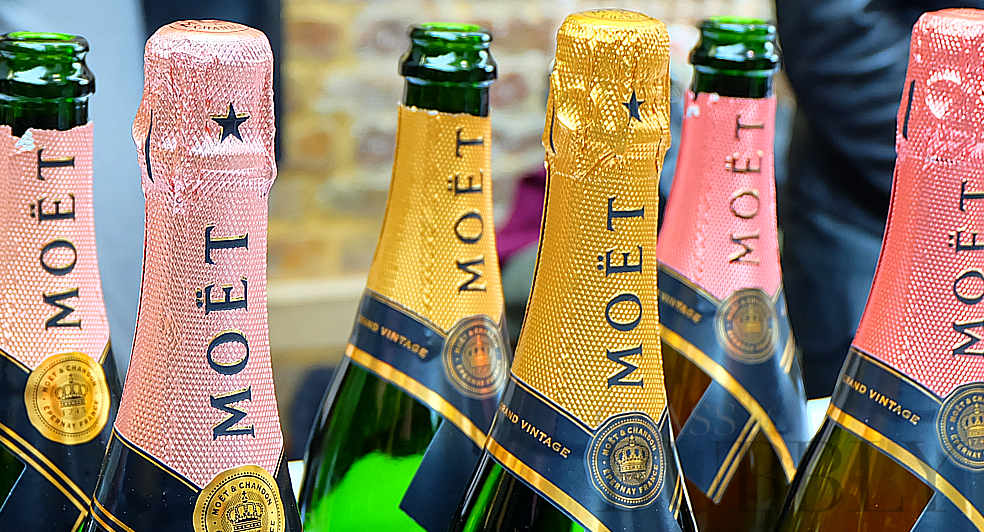
Champagne has a way of making any celebration feel instantly elevated—whether it’s a birthday toast, a wedding reception, a New Year countdown, or a corporate gala. But once the cork pops and the bubbles start flowing, a practical question often follows: can Champagne go bad at a party?
The short answer is: Champagne doesn’t ‘spoil’ quickly in the way milk or meat does, but it can lose quality fast—and in certain cases, it can become unsafe or unpleasant to drink. Temperature, time, storage, and cleanliness all affect how long Champagne stays enjoyable after opening. In a party setting, the biggest issue is typically not safety—it’s that the Champagne gradually becomes flat, warm, and less aromatic.
Below is a clear, party-friendly guide to how long Champagne lasts, what changes over time, the signs it’s past its prime, and how to keep it tasting great from the first pour to the last.
What ‘Going Bad’ Means for Champagne
When people say a drink ‘goes bad,’ they might mean one of three things:
- It becomes unsafe to drink
- It tastes noticeably worse
- It loses the qualities you wanted (bubbles, freshness, aroma)
With Champagne, the second and third are far more common.
Champagne is wine, and wine contains alcohol, acidity, and low nutrients for harmful bacteria. That means it’s generally resistant to the kind of rapid microbial spoilage you’d worry about with perishable foods. However, Champagne is extremely sensitive to oxygen and temperature—two things that are hard to control at lively parties. When exposed to air, Champagne oxidizes. When left warm, it loses dissolved carbon dioxide quickly and can start tasting tired or “off.”
So, while it may still be technically drinkable, it may no longer taste like Champagne.
How Long Champagne Stays Good After Opening
At a party (room temperature, open bottle, no stopper):
- Best quality: 30 minutes to 1 hour
- Drinkable but declining: 1–3 hours
- Typically flat and dull: 3+ hours
If the bottle sits open on a table, it will warm up, fizz out, and oxidize. The higher the room temperature and the more agitation (people moving it, pouring often), the faster this happens.
At a party (open bottle with a Champagne stopper, kept cold):
- Best quality: 2–4 hours
- Good enough for most guests: 4–8 hours
- Still drinkable: up to 24 hours (quality depends on wine style)
A proper Champagne stopper is your best friend. It helps preserve pressure and slows down carbonation loss. Keeping the bottle in an ice bucket (refreshed with ice as it melts) also dramatically extends quality.
Opened Champagne stored in the fridge (with stopper):
- Typically good: 24–48 hours
- Premium Champagne may last: up to 3 days (but less bubbly)
Note: Once the bubbles are mostly gone, it stops being the experience you intended, but it can still be used for cooking, cocktails, or spritz-style drinks.
What Happens to Champagne Over Time (and Why)
Champagne changes quickly because it’s built around three delicate pleasures:
- Bubbles
- Freshness
- Aromatics
Here’s what time and exposure do:
Carbonation Loss
Bubbles escape every time you pour. They also escape faster when:
- The bottle warms up
- The bottle is left open
- The bottle gets shaken or moved around
- The glasses are poured too aggressively
Once the pressure drops, Champagne becomes softer and flatter. It may still taste fine, but the “spark” disappears.
Oxidation
Oxygen is Champagne’s quiet enemy. Over time, exposure can cause flavors like:
- Bruised apple
- Sherry-like nuttiness
- Dull, papery notes
- A “stale” finish
Some aged Champagnes naturally have nutty notes, but oxidation from being left open tastes less elegant and more tired.
Temperature Degradation
Warm Champagne tastes sharper, less refined, and less aromatic. Also, warmth releases CO₂ faster. You lose bubbles and make the drink less pleasant.
Is It Safe to Drink Champagne Left Out?
In most party scenarios, Champagne is safe to drink even after several hours, provided:
- It hasn’t been contaminated
- It wasn’t mixed with perishable ingredients
- It wasn’t sitting in dirty glassware
- It wasn’t left in extreme heat
Alcohol and acidity provide a protective barrier that makes Champagne relatively stable. That said, party conditions introduce real-world risks, and these usually have more to do with hygiene than wine chemistry.
For example, an opened bottle can become contaminated if:
- People drink directly from it
- Dirty hands touch the lip
- Fruit, syrups, dairy, eggs, or juices are added and then left warm
- Glasses are reused without rinsing
If you’re hosting a big event, this is where food hygiene and safety principles matter—especially if Champagne is part of a self-serve station or paired with garnishes.
Bottom line: Champagne itself is rarely the problem. The party environment can be.
Signs Champagne Has Turned (Quality or Safety Red Flags)
Use your senses. Champagne that has passed its prime often shows these signs:
It’s Flat
No fizz or only tiny bubbles that vanish instantly. Flat doesn’t mean unsafe—it just means the party magic is gone.
It Smells Off
Watch for odors like:
- Wet cardboard
- Vinegar
- Rotten apple
- Sharp “chemical” notes
A slightly nutty aroma can happen naturally in older bottles, but unpleasant sharpness is a warning.
The Taste Is Dull or Sour
If it tastes aggressively sour, vinegary, or metallic, it’s time to discard.
It Looks Cloudy (When It Shouldn’t)
Some natural or unfiltered sparkling wines can be cloudy by design, but Champagne is typically clear. Sudden cloudiness may indicate contamination or a dirty glass.
Party Variables That Shorten Champagne’s Lifespan
Warm Rooms and Outdoor Heat
If you’re celebrating outside or in a crowded room, Champagne warms fast. A warm bottle loses carbonation quickly and tastes harsher.
Improper Ice Buckets
A bucket with just ice and no water doesn’t chill evenly; ice water makes better contact and cools the bottle more effectively. Refresh it often.
Frequent Pouring
The more the bottle is opened, handled, and poured, the faster CO₂ escapes.
Sweetness Level
- Brut Nature / Extra Brut: can taste sharper once warm
- Brut: most forgiving
- Demi-sec / sweet styles: may still taste pleasant after losing some fizz
How to Keep Champagne Fresh Longer at a Party
Use a Real Champagne Stopper
Skip spoons-in-the-neck myths. A proper stopper preserves pressure. It’s the simplest upgrade to keep quality consistent through the night.
Keep Bottles Cold from Start to Finish
- Chill bottles in the fridge for several hours before serving
- Keep them in ice water (ice + water) during service
- Rotate bottles rather than leaving one open too long
Pre-Chill Glasses (If You Can)
Warm glasses increase foaming and bubble loss. Even 10 minutes in a cool area helps.
Pour Gently
Tilt the glass and pour slowly. This reduces foam and retains carbonation.
Avoid ‘Open Bottle Parking’
If the bottle is open but no one is drinking, stopper it and return it to the ice bucket.
What About Leftover Champagne After the Party?
If you’ve got leftover Champagne the next day, here are practical options:
Drink It (If It Still Tastes Good)
If it’s been refrigerated with a stopper, it can be enjoyable for up to 48 hours, sometimes longer depending on the bottle.
Turn It Into Cocktails
Even slightly flat Champagne can shine in:
- Mimosas
- French 75 variations
- Champagne spritzers
- Fruit-based punches
Cook With It
Use it in:
- Cream sauces
- Seafood reductions
- Risotto
- Poached pears
- Vinaigrettes
If it tastes unpleasant on its own, it won’t improve in cooking—so taste first.
Champagne Service Tips for Large Events
If you’re serving Champagne at a wedding, corporate gala, or large-capacity celebration, consider a few extra steps to protect quality:
- Assign a staff member or host to manage the Champagne station
- Keep unopened bottles cold and stored away from heat and sunlight
- Open bottles in waves rather than all at once
- Use clean, dedicated glassware—avoid rinsing with soapy residue
And since big venues involve crowd flow, exits, and safe capacity planning, it’s also smart for organizers to ensure venues have up-to-date documentation, such as a measured building survey—not for the Champagne itself, but for smooth event operations when large crowds gather.
The Final Word: Time Limits You Can Trust
So, can Champagne go bad at a party? It can definitely go downhill—but ‘bad’ usually means ‘not enjoyable’ rather than ‘dangerous.’
Here are the most useful time limits:
- Open, warm, no stopper: best within 1 hour
- Open with stopper, kept cold: best within 4–8 hours
- Refrigerated with stopper afterward: usually fine for 24–48 hours
If you keep it chilled, covered, and handled cleanly, Champagne will stay festive and fresh long enough for the toast—and beyond.

Glass of Bubbly Content
Content shared by this account is either news shared free by third parties or advertising content from third parties and affiliations. Please be advised that links to third party websites are not endorsed by Glass of Bubbly Ltd - Please do your own research before committing to any third party business promoted on our website.