
Champagne Pairings for Valentine’s Day
6th February 2026
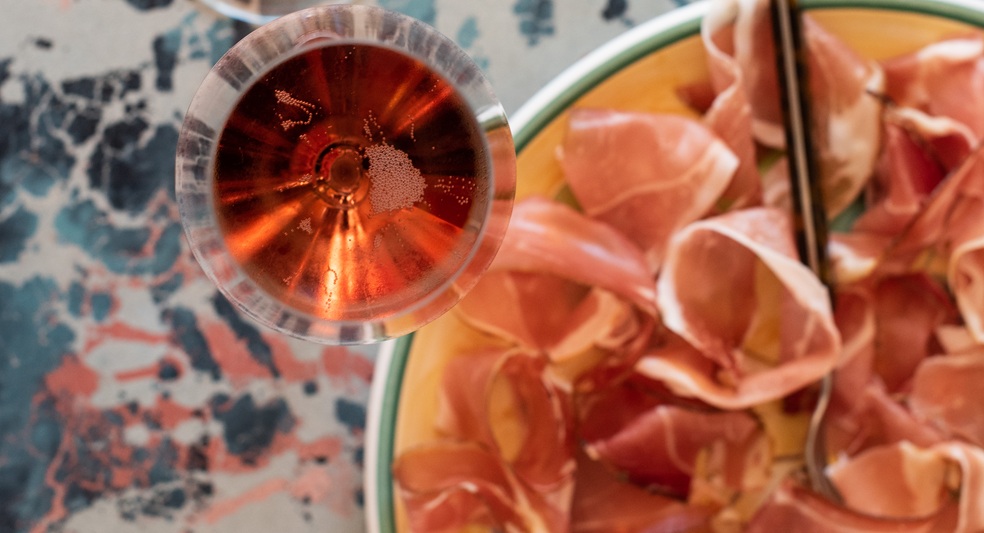
With Valentine’s Day fast approaching, which are the best hotels, bars, restaurants and afternoon teas for a romantic experience? The question is – what do these places all have in common? And the answer is Champagne. Champagne has a long-standing association with romance; in fact, it has been symbolic of romance since the 17th century, having been quoted by many for its association with love and beauty – thanks to its sensory appeal and cultural storytelling – and has a long-standing relationship with Britain in particular.
For centuries, Champagne has assumed a famed role within British society and culture. In light of Valentine’s Day, the Champagne Bureau UK takes a look at Britain’s unwavering affection for Champagne. We have also included our guide to Champagne styles and pairings this Valentine’s Day.
A look back in time
‘Remember gentlemen, it’s not just France we are fighting for. It’s Champagne’.
These famous words were spoken by Winston Churchill, Britain’s former Prime Minister and a devout lover of Champagne. In fact, it is speculated that Churchill consumed around 42,000 bottles in his lifetime, drinking at least one bottle per day.
However, Britain’s love of the sparkling wine started long before Churchill, and plays a key part in how we know Champagne today, dating back to the 17th Century when King Charles II fell in love with the sparkling wine during a visit to France. Champagne quickly became the drink of choice for the British aristocracy and royalty, with Queen Victoria being the first British monarch to issue royal warrants to Champagne producers.
Looking at the 19th century, Champagne was typically sweet, however the British had a preference for drier wines which popularised the ‘Brut’ style. Brut Champagne now represents over 80% of shipments to the UK.
Champagne quickly became a symbol of status and aristocracy in Britain, and a favourite amongst royals and high society socialites. Oscar Wilde, for example, regularly had the elite characters within his plays consuming the wine, and has been quoted as saying: ‘Pleasure without Champagne is purely artificial’.
Champagne today and tomorrow
Centuries after Champagne was first introduced to Britain, its popularity hasn’t faltered, with the United Kingdom being the second largest export market, in both volume and value.
Its role within pop culture is striking, the most notable being its association with James Bond – an extension of Bond’s personality when it comes to class and refinement. It is also heavily referenced in iconic British dramas, namely, Bridgerton, The Crown and Downton Abbey, where the characters are regularly portrayed drinking Champagne, in both celebratory moments and day-to-day affairs.
Within hospitality, the iconic afternoon tea is often elevated with Champagne pairings, aligning the drink with classic British traditions and showcasing its prominent role in British culture. This can also be seen in the way that Champagne is integral to iconic British events, such as Wimbledon, Royal Ascot, and Royal occasions.
Bars and restaurants are offering more wines by the glass, including unique Champagne vintages, now made possible thanks to preservation systems, such as Coravin.
Once reserved for British high society, Champagne now takes its place as a cultural icon for the entire nation, whether that be for celebrating, honouring traditions, or simply elevating every-day experiences. Despite 300 years of history – it is telling that in only half a century, Champagne exports to UK increased by 387%. Britain’s love affair with Champagne is certainly one that continues to flourish for years to come.
Our guide to Champagne pairings this Valentine’s Day:
· For the sweet tooth – chocolate covered strawberries and Rosé Champagne. We appreciate it’s not the most groundbreaking choice but that’s because it works. Rosé adds another layer of romance with red berry flavours and floral notes that pair well with strawberries. The fine, delicate bubbles add a playful lift, creating a luxurious and indulgent pairing that feels both romantic and celebratory with every bite and sip.
· For the refined palette – truffle pasta: Rich, earthy truffle pasta finds an exquisite companion in Blanc de Blancs Champagne. The wine’s crisp acidity and delicate minerality beautifully cut through the creamy, decadent sauce, while its fine bubbles cleanse the palate between bites. This allows the luxurious, aromatic truffle flavours to take centre stage without ever feeling overpowering. The result is a refined, elegant pairing that balances indulgence with freshness, turning each mouthful into a truly memorable dining experience.
· For a taste of the sea – oysters: Fresh oysters are beautifully elevated by a Brut Champagne, whose zesty citrus notes and lively, persistent bubbles perfectly accentuate the briny, ocean-fresh flavours of the shellfish. The crisp acidity cuts through the natural richness of the oysters, while the subtle minerality of the Champagne mirrors their delicate salinity. The result is a sophisticated, refreshing combination that feels effortlessly elegant.
· For a rich experience – a duck confit with cranberry sauce and dauphinoise potatoes pairs beautifully with a Vintage Champagne. The wine’s structured acidity and fine, persistent bubbles, with its brioche, toasted nuts and honey flavours match the umami of the duck confit and harmonise well with the cranberry and dauphinoise. The combination of Champagne’s elegance and the dish’s indulgence creates a luxurious, restaurant quality experience that is both hearty and refined.
Champagne Bureau UK
The Champagne Bureau UK serves as an extension of the Comité Champagne, the trade association representing houses and growers in Champagne. Images belongs to Comité Champagne and Glass of Bubbly was granted permission to use them.