
How Boutique Beverage Brands Are Building Direct-to-Consumer Channels Beyond Traditional Distribution
12th February 2026
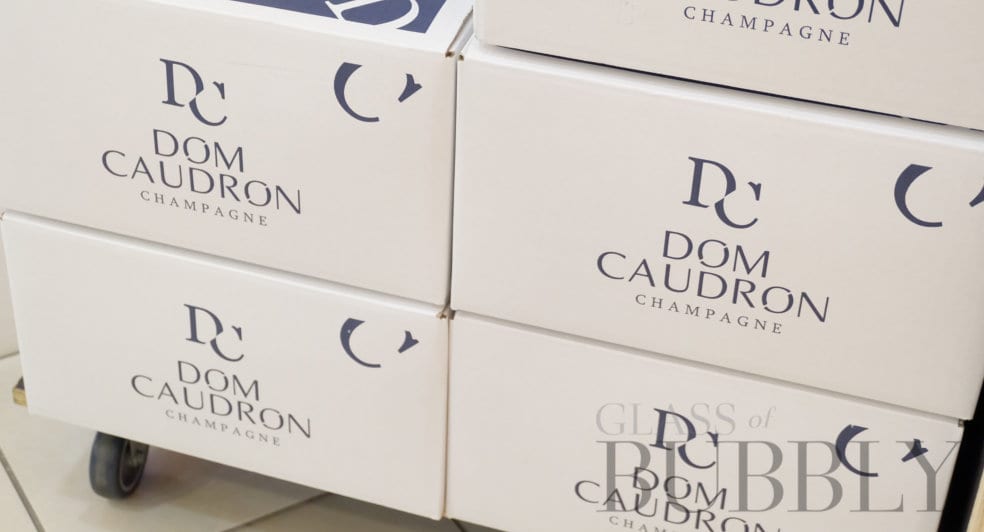
For generations, the Champagne game felt like a rigged casino. You crafted absolute magic in the cellar, handed the bottles over to a maze of distributors, and crossed your fingers your life’s work didn’t end up on a dusty bottom shelf.
The middlemen held all the cards. Not anymore.
Independent grower Champagnes and boutique beverage brands are finally flipping the table. They are realizing you do not need a massive conglomerate budget to build a cult following. You just need a solid Wi-Fi connection and a healthy dose of audacity.
By cutting out the old-school gatekeepers, these agile producers are transforming casual tasting-room visitors into lifelong digital subscribers.
Here is exactly how the smartest indie labels are hacking the direct-to-consumer playbook and leaving the legacy dinosaurs in the dust.
Escaping the Anonymous Drinker Trap
Selling a full pallet of premium sparkling wine to a national distributor feels like an absolute victory right up until you ask one simple question. Who is actually drinking it?
Under the old three-tier model, boutique brands operate completely in the dark. Your carefully aged vintage might be the centerpiece at a luxury anniversary dinner, or it might be gifted to a boss who immediately leaves it in a hot car trunk. You have zero idea. Traditional distribution strips your beautiful storytelling away immediately, turning your life’s work into just another barcode on a corporate spreadsheet. You do not own the customer relationship; you are simply renting temporary shelf space from a retailer who hoards all the valuable data.
Building a direct-to-consumer channel flips this dynamic instantly. When a customer buys directly from your website, you capture their physical location, exact order history, and preferences. You suddenly know if they prefer a bone-dry extra brut or a fruit-forward rosé. You learn their birthday and exactly how often they celebrate.
However, selling grower Champagne on the internet requires significantly more than a sleek website and a functioning checkout button. People are not just buying fermented grape juice. They are buying the romance. They want the chalky soil, the blistered hands of the winemaker, and the closely guarded family dosage recipe. When you control the D2C channel, you dictate that narrative entirely.
Smart producers are combining this hard data with unfiltered authenticity, turning their weekly email newsletters into highly exclusive digital tasting rooms. They stop shouting marketing slogans into the void and start building a curated VIP list. By sharing gritty behind-the-scenes harvest updates, terrifying weather close-calls, and limited cellar releases directly with their most loyal buyers first, they create an irresistible velvet rope effect.
Your audience feels like true industry insiders rather than anonymous consumers picking a random label off a crowded grocery store shelf. When a boutique brand treats its digital audience with the exact same reverence as a VIP tasting room guest, price resistance vanishes. You build an impenetrable moat around your business that no giant corporate beverage conglomerate can ever replicate.
The Acquisition Engine
You cannot build a thriving direct-to-consumer business if nobody knows your digital cellar door exists. The most successful boutique houses are building highly sophisticated acquisition engines to bring new drinkers into their ecosystem.
The reality of customer acquisition costs is absolutely brutal right now. Relying entirely on expensive paid social media ads will drain your budget overnight. Smart producers focus heavily on organic storytelling and authentic influencer collaborations that actually feel genuine. They treat their physical tasting rooms as lead generation goldmines. Every single visitor is encouraged to join the mailing list before they finish their first glass.
Once you capture that contact information, you trigger automated remarketing loops. You retarget those weekend visitors with highly limited-release drops and exclusive vintage announcements. Traffic from Instagram or Google is strictly rented. Your email and SMS subscriber lists are relationships you actually own.
Turning Occasional Buyers Into Recurring Revenue
Selling a premium bottle of grower Champagne on the internet is a great start. Getting that same customer to buy a case every single quarter is the ultimate economic unlock.
The traditional wine club is basically a hostage situation. Customers receive a heavy cardboard box full of dusty bottles they never picked and will probably never drink. Boutique brands are entirely reinventing this rigid model. They are turning boring subscriptions into highly customizable digital allocations.
Instead of a generic wine club, you offer tiered memberships with quarterly allocation drops. You give your most loyal buyers early access to subscriber-only SKUs. This strategy completely smooths out the jagged peaks of holiday sales. It turns unpredictable retail spikes into steady, predictable production planning. Brands built entirely around occasional celebrations merely survive. Brands built on recurring subscription revenue actually scale.
Navigating the Compliance Labyrinth
Let’s be clear: escaping the distributor does not mean escaping the law.
Shipping premium Champagne directly to consumers across state lines is a notorious logistical headache filled with complex tax compliance, age verification, and wildly varying volume limits.
The boutique brands actually pulling this off at scale are not doing it with a messy spreadsheet and a stack of cardboard boxes in the back of the tasting room. They are plugging into specialized D2C compliance software and partnering with beverage-specific 3PLs (third-party logistics). These tech stacks automatically verify legal drinking age at checkout, block shipments to dry zip codes, and calculate complex excise taxes in real-time.
By outsourcing the legal labyrinth to the logistics experts, agile producers get to focus entirely on what they do best: crafting incredible wine and building their digital empire.
Beyond the Flute
Here is the harsh reality of selling premium sparkling wine. Unless your customer is a literal rockstar, they are not popping a bottle of your finest vintage on a random Tuesday morning before work. Champagne is inherently tied to celebrations. That means your beautifully crafted brand only crosses their mind a few times a year.
If you want to survive the fierce direct-to-consumer landscape, you have to become a daily habit.
The smartest boutique houses are expanding their digital cellar doors by launching adjacent lifestyle products. They are transforming from occasional luxury treats into daily necessities. Think about the natural consumer cycle. What pairs perfectly with a late night of drinking premium bubbles? A seriously good cup of coffee the next morning.
Agile beverage brands are testing adjacent categories without significant upfront production investment in new production facilities. By partnering with white-label dropshipping platforms like Dripshipper, an independent vineyard can easily launch a highly curated, branded coffee line overnight. You get to sell a premium roast that perfectly mirrors your commitment to terroir and quality, without ever roasting a single bean or renting extra warehouse space.
This clever pivot accomplishes two vital things for a boutique label. First, shipping a bag of artisan coffee across state lines completely skips the absolute nightmare of alcohol compliance laws. Second, it plants your brand logo directly on their kitchen counter every single morning. When Friday night finally rolls around, and it is time to celebrate, guess which bottle of bubbly they are automatically reaching for?
Balancing the Cellar Door with the Corner Store
Going all-in on direct-to-consumer sales feels like an absolute revolution. However, completely abandoning your wholesale accounts overnight is a fantastic way to go broke. Let’s be realistic—selling a premium case of vintage rosé to a raving fan is intoxicating, but landing your bottles on the wine list of a luxury hotel keeps the lights on and the press flowing. The most successful boutique houses aren’t burning bridges with the trade; they are simply playing a much smarter game by mastering the hybrid model.
The friction usually happens behind the scenes. Your tasting room data lives in a messy spreadsheet, while your distributor accounts are tracked on a whiteboard. You end up double-booking your limited inventory or forgetting to follow up with a high-end restaurant group because you were too busy figuring out how to ship a single bottle of brut to Idaho.
To bridge this chaotic gap, agile producers are upgrading their digital infrastructure. Managing those complex, high-volume wholesale relationships requires a centralized brain, not just a good memory. By plugging into an easy-to-use sales manager like Pipeline CRM, a boutique brand can track a lucrative hotel contract right alongside its surging direct-to-consumer metrics. It takes the guesswork out of the sales pipeline.
This hybrid visibility changes everything. When a sales director notices a trendy wine bar’s wholesale order dropping, they don’t panic. They check the data. If their direct-to-consumer sales in that exact zip code are skyrocketing, they know the brand is still red-hot. It gives boutique producers the operational swagger to negotiate better shelf space and tighter margins with distributors, all while keeping their dedicated digital audience perfectly satisfied.
A Sustainable Path Forward
For decades, the beverage industry relied heavily on a structured model of traditional distribution, where access to delivery networks, climate-controlled warehousing, and premium restaurant placement largely dictated a brand’s success.
Today, digital tools have provided independent creators with viable alternative routes to market. Boutique Champagne houses and artisan producers are no longer entirely dependent on legacy systems; they now have the infrastructure to build direct relationships with their consumers.
By exploring creative lifestyle extensions, integrating hybrid sales data, and prioritizing authentic brand storytelling, independent labels are finding new ways to scale sustainably.
Traditional distribution still plays a vital role in establishing brand presence, but the market landscape has fundamentally shifted. The agile brands that successfully blend wholesale partnerships with thoughtful digital innovation are the ones best positioned to navigate the evolving industry in the years ahead.

Glass of Bubbly Content
Content shared by this account is either news shared free by third parties or advertising content from third parties and affiliations. Please be advised that links to third party websites are not endorsed by Glass of Bubbly Ltd - Please do your own research before committing to any third party business promoted on our website.