
Luxury Champagne Brands Built Their High End Image In Casino Settings
7th January 2026
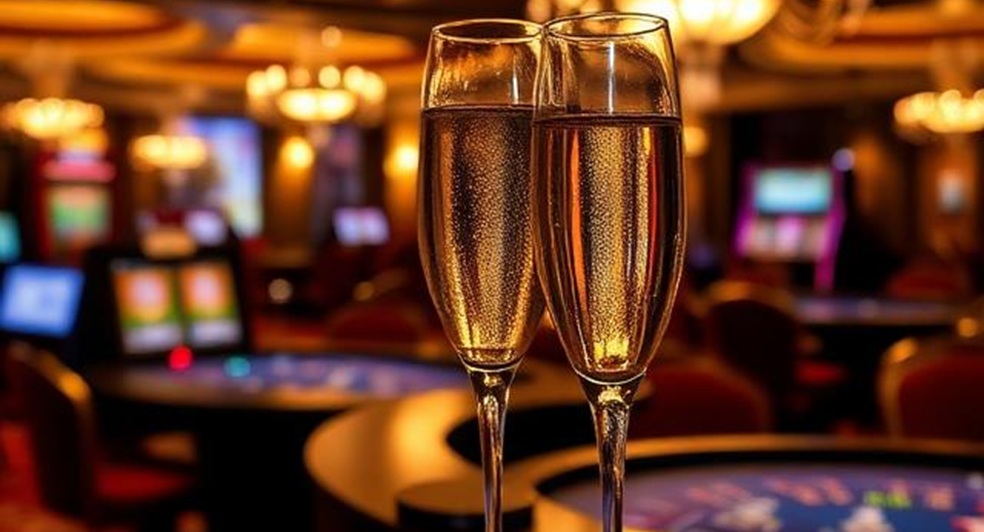
The sparkling wine from northeastern France became synonymous with high stakes gambling through deliberate marketing and fortunate cultural associations. Casino floors provided stages where Champagne brands performed their luxury narratives for wealthy audiences. The relationship benefited both industries while shaping public perceptions of sophistication and excess.
This connection between gambling venues and premium beverages persists today. Players celebrating wins at physical casinos or online casinos not on GamStop often reach for Champagne. The association feels natural because decades of marketing established sparkling wine as the appropriate reward for gambling success.
Monte Carlo Established The Champagne Casino Connection
The Casino de Monte Carlo opened in 1863 and immediately attracted European aristocracy. Prince Charles III of Monaco created the venue to rescue his principality from bankruptcy. The strategy succeeded beyond expectations. Wealthy visitors arrived from across the continent seeking entertainment unavailable in their home countries.
Champagne houses recognised the opportunity. According to the Telegraph, brands like Moët & Chandon and Veuve Clicquot established exclusive supply arrangements with Monte Carlo during the 1870s. Their bottles appeared at every significant table. Winners toasted victories with Champagne. Losers drowned sorrows in the same beverage. The casino consumed enormous quantities while associating the wine with glamour and wealth.
The setting proved ideal for luxury positioning:
- Exclusivity through membership requirements filtered customers by wealth
- Architecture communicated prestige through ornate design
- Dress codes ensured visual elegance among patrons
- Discretion protected aristocratic reputations
- Geography placed the venue in a picturesque Mediterranean location
Champagne brands photographed their products in Monte Carlo settings. Early advertising featured illustrations of elegant patrons raising glasses in casino interiors. The imagery established templates that luxury marketing continues using today.
Champagne in a nighttime casino
How Casino Culture Shaped Champagne Marketing
Champagne producers developed specific strategies for casino partnerships. They understood that visibility in exclusive venues conveyed status more effectively than conventional advertising. The approach prioritised placement over promotion.
The Financial Times examined how prestige Champagne houses historically avoided mass marketing. Instead, they cultivated presence in aspirational locations. Casinos ranked alongside opera houses, royal courts, and luxury hotels as priority venues. Being served in these spaces communicated quality to observers who might never taste the product themselves.
The development of casino cocktails that became iconic complemented Champagne positioning. Venues offered both options to different customer segments. Cocktails served casual gamblers while Champagne marked serious players and special occasions. The beverage hierarchy reinforced social stratification that casinos carefully maintained.
Las Vegas Amplified The Association
American casinos adopted and expanded European Champagne traditions. Las Vegas properties opening during the 1940s and 1950s looked to Monte Carlo for inspiration. They imported continental sophistication alongside gaming equipment and operational expertise.
The Guardian documented how Las Vegas transformed Champagne consumption patterns. American venues served larger quantities to broader audiences than exclusive European clubs. Champagne became accessible to middle class visitors seeking luxury experiences. Volume increased while exclusivity diluted somewhat.
Vegas innovations included:
- Bottle service presenting Champagne with theatrical sparklers
- Complimentary pours for high rolling gamblers
- Branded lounges where Champagne houses controlled entire spaces
- Celebrity hosts paid to drink specific brands publicly
- Photography opportunities encouraging social documentation
High roller programmes formalised Champagne distribution. Casinos tracked player spending and rewarded significant gamblers with premium bottles. Receiving Dom Pérignon or Krug signalled status within casino hierarchies. Players competed for recognition partly measured through beverage allocations.
The reciprocal relationship benefited Champagne producers substantially. Vegas provided exposure to millions of annual visitors. Tourists returned home associating Champagne with memorable gambling experiences. They purchased bottles for celebrations, recreating casino atmospheres in domestic settings.
Specific Brands That Mastered Casino Positioning
Several Champagne houses built reputations particularly connected to gambling venues.
Dom Pérignon became the default prestige choice across major casinos. The brand’s pricing positioned it as a reward for significant wins. Casino gift shops stocked Dom Pérignon prominently. The name recognition among non experts exceeded other premium producers partly through casino visibility.
Cristal developed associations with exclusive high roller rooms. Louis Roederer created the cuvée originally for Russian Tsar Alexander II. This royal heritage translated effectively to VIP casino spaces where customers expected imperial treatment.
Moët & Chandon pursued volume alongside prestige. The house supplied entry level luxury champagne to casino restaurants and bars. Moët Imperial appeared wherever champagne was served, building familiarity that supported premium tier sales.
Armand de Brignac targeted modern casino culture through celebrity partnerships. According to Forbes, the brand gained prominence through hip hop associations that connected to contemporary Vegas imagery. Bottle designs featuring metallic finishes photographed effectively in nightclub casino environments.
Krug maintained distance from mass casino marketing while appearing in ultra premium contexts. The house cultivated connoisseur positioning that appealed to sophisticated gamblers unimpressed by flashier alternatives.
The Economics Of Casino Champagne Sales
Champagne pricing in casinos operates differently from retail or restaurant sales. Venues apply substantial markups knowing customers in gambling mindsets spend freely. A bottle retailing for £40 might cost £150 in a casino restaurant and £300 through bottle service.
Champagne producers benefit from casino markups indirectly. High prices reinforce luxury perceptions. Customers paying £300 for Champagne believe they purchased something genuinely premium. The price itself communicates value regardless of production costs.
Complimentary Champagne for high rollers represents marketing expenditure by casinos rather than Champagne houses. Casinos purchase at negotiated wholesale rates then distribute strategically. Producers gain exposure without bearing distribution costs. The arrangement satisfies both parties while enhancing player experiences.
Digital Gambling Changes Champagne Marketing
Online gambling growth presents challenges for Champagne marketing built around physical venues. Players at home lack casino atmospheres where Champagne consumption feels appropriate. The sensory environment that encouraged celebratory drinking disappears in digital contexts.
Champagne houses adapted through several approaches:
- Streaming sponsorships placing brands in live dealer casino backgrounds
- Influencer partnerships showing Champagne alongside online gambling content
- Prize promotions offering bottles to competition winners
- Virtual events recreating casino experiences for remote participants
The shift from physical to digital environments presents a significant paradox for luxury sectors, including Champagne producers, fashion houses, and watchmakers. While online platforms offer immense reach, they threaten to turn elite, exclusive experiences into commodified, accessible goods.
Some producers embrace online gambling partnerships while others maintain distance. Brand positioning determines appropriate strategies. Houses targeting younger demographics accept digital visibility. Those cultivating traditional luxury images avoid associations with screen based gambling.
Champagne and Blackjack
The Lasting Legacy Of Casino Champagne Culture
Champagne and casinos remain linked in public imagination despite industry changes. Films, television programmes, and advertising perpetuate imagery established over 150 years. James Bond ordering Champagne in casino scenes reinforces associations for new generations.
The marketing achievement deserves recognition. Champagne houses transformed functional business relationships into cultural mythology. They convinced global audiences that sparkling wine and gambling belong together naturally. This positioning survived technological disruption, regulatory changes, and shifting social attitudes toward both products.
Future Champagne marketing will likely maintain casino connections while developing new contexts. The foundational work completed in Monte Carlo and expanded through Las Vegas created brand equity that persists regardless of where gambling actually occurs. Players reaching for Champagne to celebrate wins honour traditions built deliberately over generations by producers who understood that luxury requires appropriate staging.
Glass of Bubbly Content
Content shared by this account is either news shared free by third parties or advertising content from third parties and affiliations. Please be advised that links to third party websites are not endorsed by Glass of Bubbly Ltd - Please do your own research before committing to any third party business promoted on our website.