
Terroir in Practice. How to Explain Sparkling Wine with Confidence
20th November 2025
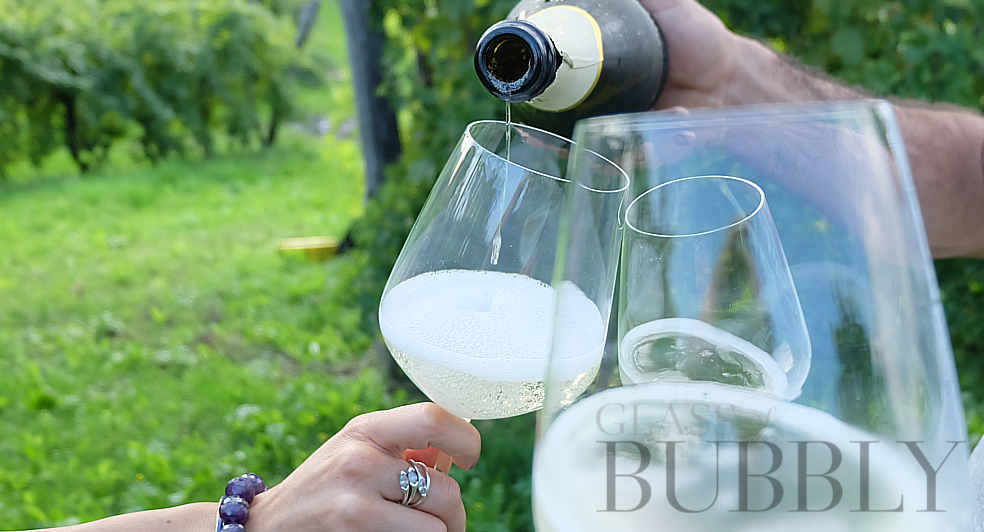
Many people enjoy sparkling wine, yet often wonder why bottles from different places taste so distinct. Whether you pour wine at home, share it with friends, or work in a role where guests ask for guidance, it helps to understand how place shapes flavour. Terroir sits at the heart of this. The term refers to the character that originates from a specific place, shaped by its soil, climate, and long-standing practices in the vineyard and cellar. It gives each bottle a clear sense of origin that can be tasted in the glass.
How Terroir Shapes Sparkling Wine
Champagne offers a clear example of this idea. Chalk soils in areas such as the Côte des Blancs and the Montagne de Reims help the region produce wines with bright acidity and clean structure. A Blanc de Blancs from Le Mesnil-sur-Oger often shows citrus notes with a precise line through the palate. A Pinot-focused cuvée from Aÿ can bring red fruit and more weight. These differences help drinkers understand how a specific hillside or soil type can influence style without needing deep technical knowledge.
Different Regions, Different Expressions
Many people now explore sparkling wines from regions beyond Champagne. Franciacorta in northern Italy is a good starting point. It employs the traditional method and shows how Italian growing areas influence flavour differently from those in France. Limestone soils often add freshness. Glacial soils introduce softer edges and a rounded feel. These details help explain the variety available on store shelves and wine lists.
England’s South Downs have also gained attention for the rapid growth of producers in the area. The cool climate supports slow ripening and helps preserve acidity. Chalk layers sit beneath several vineyards. Together, these elements support sparkling wines with crisp texture and lifted fragrance. They can appeal to anyone who enjoys wines with clarity and freshness.
Emerging regions add even more variety. Steiermark in Austria or Brda in Slovenia show how slopes, climate, and grape choice guide flavour. Wines from these areas often show herbal notes, ripe stone fruit, and a lighter texture. When described simply, they feel approachable and engaging rather than unfamiliar.
Terroir is a thread that runs through many French drinks. A similar respect for land is evident in the work of a heritage cognac producer, which often speaks to the influence of soil and climate on its style. This shared focus helps show how much regional character can shape the final flavour in both wine and spirits. Anyone looking for a deeper understanding can explore this helpful piece that offers additional context on how terroir appears in the glass.
Recognising Terroir in the Glass
Comparing a few bottles at home or in a tasting group can help make the idea of terroir easier to recognise. Short notes on acidity, texture, and fruit tone can reveal clear patterns. Even a simple tasting can help show how terroir guides flavour and gives each sparkling wine its own distinct identity.

Glass of Bubbly Content
Content shared by this account is either news shared free by third parties or advertising content from third parties and affiliations. Please be advised that links to third party websites are not endorsed by Glass of Bubbly Ltd - Please do your own research before committing to any third party business promoted on our website.