
The evolving world of Champagne and sparkling wine culture in the UK: trends, tasting experiences, and how enthusiasts explore bubbles beyond the bottle
1st February 2026
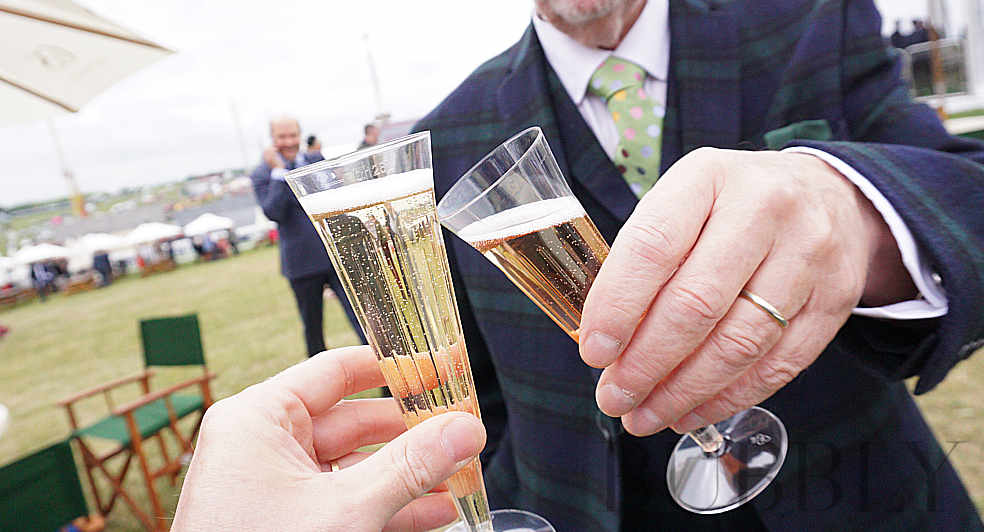
For a long time, the UK treated sparkling wine as something ceremonial. A bottle appeared at weddings. Another one came out at midnight on 31 December. Restaurants placed Champagne on wine lists as shorthand for celebration. It felt formal, predictable, and slightly distant.
That distance has narrowed.
Over the past fifteen years, British drinkers have changed the way they approach sparkling wine. They no longer reach for it only on special occasions. They open it on a Wednesday evening. They question it. They compare it. They talk about dosage levels and base vintages with the same seriousness once reserved for still Burgundy or Bordeaux.
In casual conversations about lifestyle and leisure, people move easily between food, travel, digital spaces, and social platforms. You might hear someone reference a site like spinsahara in a broader discussion about how people spend time online, then pivot straight back to English sparkling wine and the difference between chalk and clay soils. That mix of digital curiosity and physical experience reflects something wider: today’s consumer explores across formats, not in isolation. Sparkling wine culture now sits inside that broader behaviour.
From prestige symbol to subject of scrutiny
In the early 2000s, many British consumers equated high-quality bubbles with large houses in France. Champagne dominated the narrative. Labels carried weight. Names signalled status.
Now the conversation sounds different.
Drinkers ask direct questions:
- Which village did the grapes come from?
- How long did the wine age on lees?
- When did disgorgement take place?
- How much sugar does the producer add at dosage?
- Does the estate farm organically?
That level of detail used to circulate mostly in trade circles. Today, it shapes everyday retail discussions.
The region of Champagne still commands attention, but the tone has shifted from admiration at a distance to active evaluation. Consumers compare grower-producers with larger houses. They debate subregions such as Côte des Blancs or Montagne de Reims without hesitation.
And they increasingly place English sparkling wine in the same conversation.
The rise of English sparkling wine
Southern England has moved from curiosity to contender. Producers in Sussex, Kent, and Hampshire plant the same grape varieties used in Champagne: Chardonnay, Pinot Noir, and Pinot Meunier. Chalk soils in parts of southern England share geological history with northern France. Climate remains cooler and less predictable, yet warming growing seasons have changed ripening patterns.
Consumers taste English bottles not out of novelty, but out of genuine comparison.
A simplified contrast often frames discussion:
| Factor | Champagne | English Sparkling Wine |
| Climate | Cool continental | Cool maritime |
| Core grapes | Chardonnay, Pinot Noir, Pinot Meunier | Same three varieties dominate |
| Ageing | Strict regional rules | Producer-driven, often similar |
| Market perception | Historic benchmark | Rapidly gaining credibility |
English sparkling wine often shows sharper acidity and citrus-driven profiles. Champagne may present more autolytic character in non-vintage blends due to longer lees ageing. These observations vary by producer and vintage, but they fuel tasting debates across the UK.
Restaurants now pour English sparkling wine by the glass. Some diners choose it deliberately over Champagne. Not as a statement. Simply as preference.
Tasting culture: structured, social, and analytical
The evolving world of Champagne and sparkling wine culture in the UK increasingly revolves around experience rather than transaction.
Wineries in southern England invest in visitor centres and guided vineyard walks. Guests stand between rows of vines and hear direct explanations about canopy management, frost risk, and harvest timing. They taste base wines before secondary fermentation and immediately understand how structure forms.
Urban tasting events follow a different rhythm. Wine bars in London, Manchester, and Edinburgh organise focused evenings around themes:
- Blanc de blancs comparison
- Rosé sparkling wine from multiple regions
- Brut versus extra brut versus brut nature
- Vintage versus non-vintage analysis
Participants take notes. They revisit glasses. They argue gently about mousse texture or acidity balance. The tone feels curious, not ceremonial.
Private tasting groups add another layer. A group of six friends might decide to examine grower Champagne from Champagne one month, then compare bottles from Italy and Spain the next. The structure remains informal, but the attention to detail stays sharp.
Dosage awareness and changing preferences
British drinkers increasingly track sugar levels in sparkling wine. Brut nature and extra brut attract those who prefer tension and precision. Producers respond by printing grams per litre on technical sheets and sometimes on labels.
Tastings often include a controlled comparison. One base wine appears in three versions: zero dosage, low dosage, and standard brut. Participants taste them side by side and record impressions. Even small sugar adjustments alter perception of acidity and fruit weight.
This analytical approach reflects a broader shift. Consumers want clarity. They do not rely solely on brand recognition. They assess balance.
Food pairings move beyond tradition
Sparkling wine no longer waits for oysters.
Chefs and home cooks experiment with pairings that stretch expectations:
- Fish and chips with brut Champagne
- Fried chicken with English sparkling wine
- Sushi with blanc de blancs
- Soft-rind cheese with vintage cuvée
- Spiced dishes with demi-sec
High acidity cuts through fat. Fine bubbles refresh the palate. These practical qualities drive pairing decisions more than tradition does.
Many consumers now treat sparkling wine as an all-rounder. They open a bottle for Sunday lunch or a simple pasta dinner. They value structure and versatility rather than symbolism.
Sustainability enters the conversation
Environmental awareness shapes purchasing decisions across the UK wine market. Sparkling wine does not sit outside that concern.
Consumers ask about:
- Vineyard pesticide use
- Soil management
- Bottle weight
- Transport distances
- Energy sources in production
Producers in United Kingdom highlight local distribution and reduced shipping. Estates in France discuss lighter glass and renewable energy projects. Buyers compare these factors alongside taste and price.
Transparency matters. Disgorgement dates, reserve wine percentages, and ageing periods appear more frequently in technical documentation. Enthusiasts track those details with precision.
Digital tracking and collective knowledge
The modern enthusiast rarely drinks in isolation. Digital platforms allow users to log tasting notes, assign ratings, and compare impressions. Data builds over time. Patterns emerge.
Someone may discover that they consistently prefer blanc de noirs with extended lees ageing. Another may notice a preference for lower-dosage English sparkling wine. These observations influence future purchases.
Virtual tastings remain part of the ecosystem. Producers ship small-format bottles to participants who join online sessions. Winemakers explain harvest conditions in real time. Attendees ask detailed questions without leaving home.
Sparkling wine culture therefore stretches across physical vineyards, city bars, private homes, and digital platforms. It no longer belongs solely to formal dining rooms.
Investment and ageing potential
A segment of consumers treats Champagne and English sparkling wine as cellar candidates. They store bottles in temperature-controlled spaces and monitor development over years.
Vintage Champagne from established villages in Champagne continues to attract collectors. At the same time, interest in ageing English sparkling wine grows steadily. Producers release older vintages to demonstrate longevity.
Collectors track market prices and compare auction results. Financial return does not drive every purchase, yet the possibility adds another dimension to engagement.
Regional energy within the UK
London remains central, but activity spreads widely. Manchester hosts wine fairs that include focused sparkling sections. Edinburgh supports educational courses and specialist merchants. Brighton and Bristol maintain vibrant independent bar scenes.
In southern England, vineyard tourism continues to expand. Visitors observe harvest, ask direct questions about yield management, and taste wines close to the source. This proximity reduces abstraction. Sparkling wine becomes tangible.
Where the culture stands now
The evolving world of Champagne and sparkling wine culture in the UK reflects curiosity more than ceremony. Consumers question origin. They compare vintages. They track dosage levels. They evaluate sustainability claims. They treat sparkling wine as both pleasure and subject of study.
Champagne retains prestige. English sparkling wine gains authority. Bottles from Italy and Spain widen the field. Restaurants support experimentation by offering varied options by the glass. Retailers respond with deeper information.
What once signalled a single moment of celebration now supports ongoing exploration. The bottle still opens with a familiar sound. The context around it, however, has changed completely.
And that change continues.

Glass of Bubbly Content
Content shared by this account is either news shared free by third parties or advertising content from third parties and affiliations. Please be advised that links to third party websites are not endorsed by Glass of Bubbly Ltd - Please do your own research before committing to any third party business promoted on our website.