
The Price of Champagne has Gone up by 25% in Three Years
4th July 2025

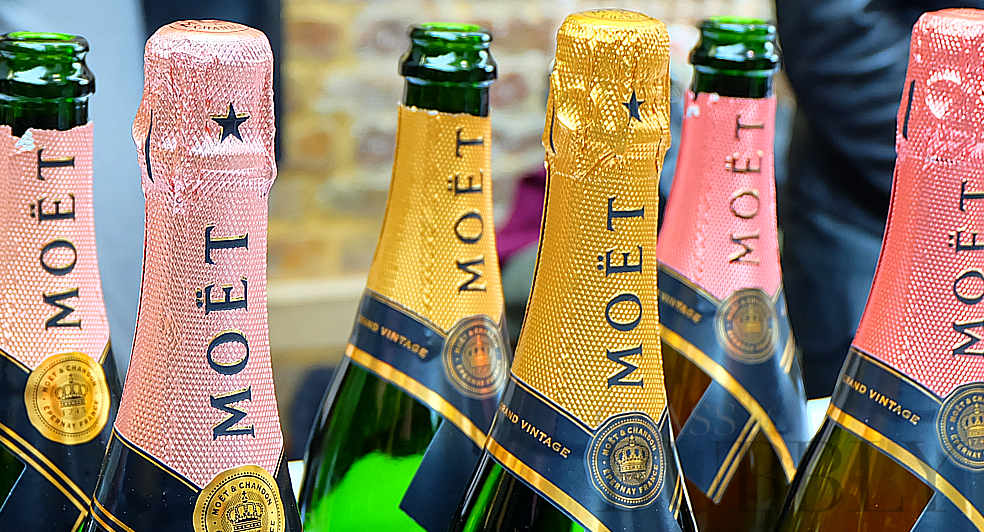
A bottle of Champagne has increased by roughly 25% over the last three years. Although this is a steep price increase, it’s fully in line with inflation on a global level.
A Symbol of Indulgence and Good Fortune
One of the reasons why Champagne is so popular is that it is often seen as a symbol of luxury and indulgence. In premium beverages, like Champagne, bubbles are a result of the secondary fermentation process. This requires both time and skill but results in an experience unlike any other. Bubbles also provide an exciting visual experience, as they quickly rise and burst at the surface.
Even though bubbles help to add to the allure of Champagne, they are also used to add visual appeal outside of wine. Nike shoes, for example, use bubbles as a way to make the user feel as though they are walking on air. Some games allow you to pop bubbles on a screen, including Bubble Wrap – Pop it. In titles like Squealin’ Riches 2, you can also pop prize bubbles. This helps to add fun and excitement to the spinning reels, with the bright gold pig helping to add an element of luxury to the title. When you break down things like this, it’s not hard to see how bubbles are still to this day a long-standing symbol of luxury, and the fact that Champagne is built on this over hundreds of years, helps to show what a legacy it has created.
The Cost of Producing a Bottle of Champagne in 2025
If you compare Champagne with other luxurious goods, Champagne is more reasonably priced than ever. Interestingly, in 1950, you could pick up a bottle of Pol Roger Brut for £1.50 a bottle, which at the time, made it more expensive than a bottle of Château Lafite Rothschild. In comparison, a bottle of Pol Roger Brut will now set you back £54 a bottle, and Château Lafite Rothschild currently retails for £700. This shows that the price of Champagne is following a steady price increase, and if anything, is still well within the lines of other luxurious goods.
There are a few things that have helped to contribute to the price of Champagne over the last couple of years. A big one would be the price of grapes. Now, wine producers are paying €7 for 1kg of grapes, according to the Vinatis website. When you consider the fact that each bottle of Champagne needs an average of 1.2kg of grapes, it’s easy to see where the expense is coming from. With the cost of energy also going up, financing costs have also increased, along with the cost of dry goods. As Champagne producers have to age a bottle of wine for 15 months, or if you’re producing a higher quality bottle, even longer, this ties up capital for a very long time. With that said, even though the cost of producing Champagne is increasing, it’s clear that the price increase over the last few years hasn’t been astronomical. If anything, it’s very fair, with other types of wine surpassing Champagne in particular in terms of price hikes.

Glass of Bubbly Content
Content shared by this account is either news shared free by third parties or advertising content from third parties and affiliations. Please be advised that links to third party websites are not endorsed by Glass of Bubbly Ltd - Please do your own research before committing to any third party business promoted on our website.