
The Quiet Art of Celebration with Champagne and Sparkling Wine
1st November 2025

There is a tiny breath of silence just before a cork leaves the bottle. Conversations soften, hands pause, and everyone’s attention narrows to that single point of pressure. Then—pop—and suddenly the whole room exhales. Champagne and sparkling wine live inside that fragile moment between anticipation and release, turning an ordinary evening into something that feels gently, quietly important.
In a world where almost everything is gamified, where apps flash achievements and loyalty schemes promise ever more rewards, it’s easy to forget that some pleasures don’t need multiplying. While the digital space may tempt us with welcome offers and even things like 300% bonus casino promotions, a single well-chosen bottle of fizz reminds us that not every experience has to scale; some are at their best when they are small, shared, and fleeting.
More Than Just Bubbles in a Glass
It’s tempting to think of sparkling wine as “still wine with bubbles,” but that undersells both its character and its effort. Behind each glass is a chain of choices: the region, the grape varieties, the decision to hand-pick or machine-harvest, how long to age the wine on its lees, whether to aim for razor-sharp freshness or richer, brioche-like depth.
You don’t need to recite the technicalities at the table, of course. Yet simply knowing that your glass of Champagne might have rested for years in a cool, dark cellar before reaching you can change how you drink it. You may find yourself taking a smaller sip, noticing the texture of the bubbles on your tongue, the way the acidity wakes up your palate, the way aromas shift from citrus to toast as the wine warms in the glass. That awareness is a quiet form of respect.
Patience, Time, and the Cellar’s Slow Clock
Champagne and traditional-method sparkling wines are, at heart, a conversation with time. Base wines are blended, bottled with yeast and sugar, and then left to rest while a second fermentation takes place. For months or years, nothing much seems to happen—at least on the surface. But inside each bottle, bubbles are forming, flavours are knitting together, and texture is being woven layer by layer.
In our quick-scroll culture, this slow clock feels almost radical. We’re used to instant confirmation: a notification ping, a score, a like. The cellar offers none of that. Bottles lie in darkness. Dust settles. The world changes, but inside the glass, transformation continues at its own pace. Perhaps this is why opening an older vintage feels faintly humbling: we’re not just drinking wine; we’re drinking time someone was patient enough to protect.
Everyday Moments That Deserve a Cork
Most of us have grown up with the idea that Champagne is for “big” events: weddings, promotions, New Year’s Eve. Yet some of the most meaningful bottles are opened for smaller reasons—a quiet reunion after a long week, a friend back from a difficult trip, the first warm evening on the balcony after winter.
There’s a subtle shift when you decide that ordinary life is worth celebrating, not just the glossy highlights. Pairing a modest supper—roast chicken, a simple risotto, even fish and chips—with a bottle of well-chilled sparkling wine can feel almost mischievous at first. But that’s the charm: you are sending a message to yourself and to those around you that “today counts.” It’s not about luxury as a performance; it’s about dignity for the everyday.
The Many Personalities of Sparkling Wine
Spend enough time with bubbles and you start to recognise their different voices. A classic non-vintage brut Champagne might speak in a precise, structured tone: crisp acidity, fine mousse, notes of green apple, lemon, and toast. A rosé Champagne may be more playful, offering wild strawberry, raspberry and a touch of spice, perfect for sunsets and long conversations.
Outside Champagne, other sparkling wines bring their own charm. A good Prosecco can feel like an easy-going friend, beautifully suited to brunch, casual gatherings, and spontaneous toasts. English sparkling wines often lean toward vivid acidity and orchard fruit, reflecting their cool climate origins. Traditional-method wines from regions like Franciacorta, Cava or emerging cool-climate areas each have their own fingerprint of soil, climate, and local tradition.
Exploring this diversity isn’t about ticking off labels; it’s about noticing which styles resonate with your own moods and occasions. Do you gravitate toward sharper, more linear wines when you’re focused and reflective, and softer, fruitier ones when you’re hosting a crowd? There’s no wrong answer—only your palate, learning its own preferences over time.
Rituals That Slow Us Down
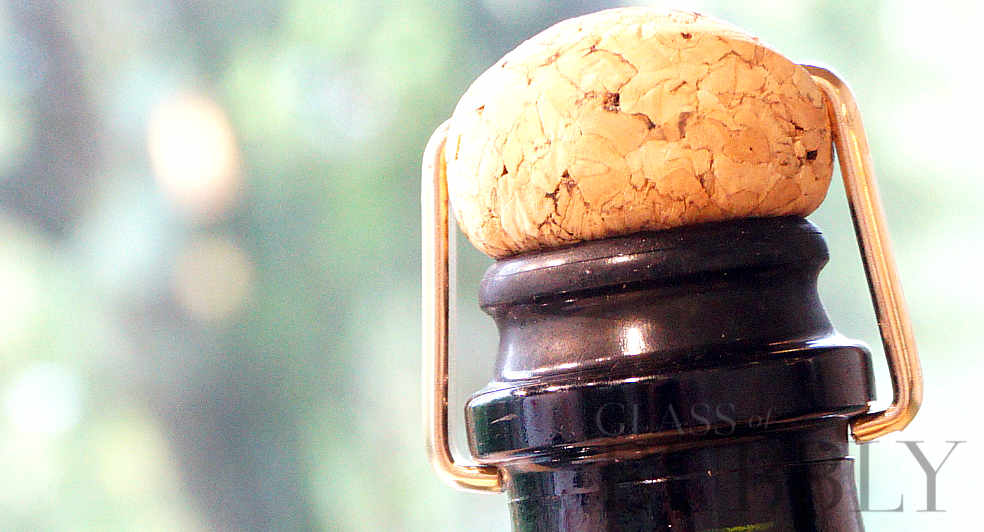
Champagne invites ritual in a way few beverages do. The careful cutting of foil, the gentle twist of the wire cage, the decision to release the cork with a quiet sigh rather than a dramatic pop—it all encourages you to slow down. Even the choice of glass matters: a slim flute for a festive, sparkling curtain of bubbles; a tulip or white wine glass if you want to explore more aromatics and nuance.
These moments of intention may seem small, but they act like anchors. For a few minutes, you are doing one thing and one thing only. No multitasking, no checking your phone while you pour. Just you, the bottle, the sound of the wine slipping into the glass. In a life that often feels scattered, such focused simplicity is surprisingly restorative.
Sharing, Stories, and the Human Side of Bubbles
Ask people about a memorable glass of Champagne or sparkling wine, and they rarely start with technical notes. They talk about where they were, who they were with, what they were feeling. The fizz becomes a frame for the story: “It was the night before we moved city.” “It was the first dinner after our child was born.” “It was a random Tuesday when we finally decided to celebrate surviving a hard year.”
These stories remind us that bottles don’t create meaning on their own; people do. The wine simply lends a sparkle to the edges of the memory. When we choose a special bottle, we’re often expressing something we can’t quite put into words: gratitude, relief, hope, or even quiet defiance. Isn’t it remarkable that fermented grape juice can carry so much emotional weight?
A Gentle Philosophy of Celebration
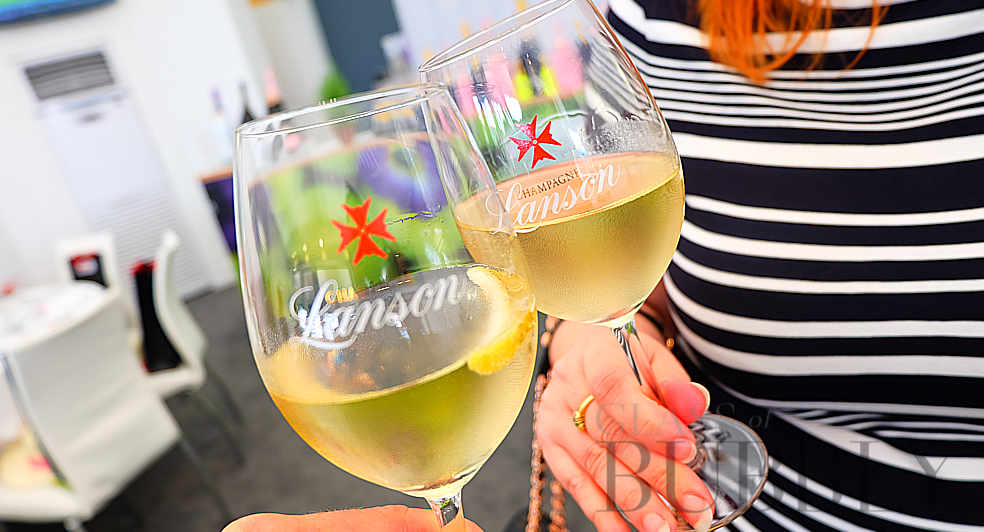
Perhaps the deepest lesson Champagne and sparkling wine offer is that celebration doesn’t have to be loud, perfect, or rare. It can be as modest as two mismatched glasses at the kitchen table after a long day, or as elaborate as a carefully planned dinner with multiple cuvées. What matters is the attention you bring to it—the willingness to pause, to look the other person in the eye, to clink gently and really mean it.
The bubbles rise, the moment passes, and life continues with all its untidiness and noise. Yet something lingers: a sense that time can be carved out and honoured, that joy doesn’t need permission from the calendar, and that some of the finest rewards we’ll ever taste are not multiplied by percentages, but deepened by presence. In that sense, every thoughtfully poured glass of Champagne or sparkling wine is not just a drink, but a small, sparkling reminder of what it means to be fully, beautifully human.

Glass of Bubbly Content
Content shared by this account is either news shared free by third parties or advertising content from third parties and affiliations. Please be advised that links to third party websites are not endorsed by Glass of Bubbly Ltd - Please do your own research before committing to any third party business promoted on our website.