
What does Grand Cru Mean?
4th November 2022
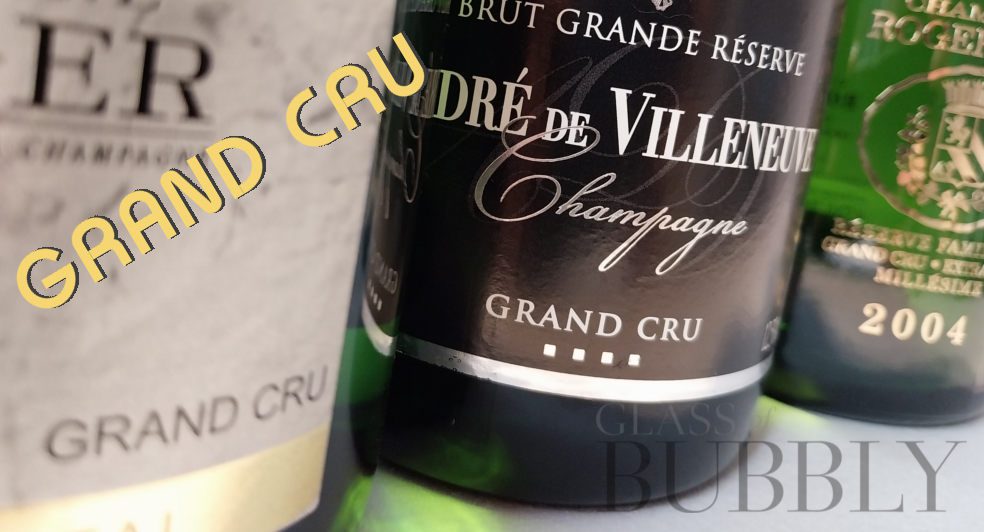
A certain phrase that you like to see on your bottle of wine is ‘Grand Cru’. These magical two words will mean that you are in for the finest end product of the better grapes of the wine region you are about to enjoy the wine of – You’ve got one of the better examples in your hand in other words!
Grand Cru, though this (French) term is preferred by English wine professionals / lovers, translates as ‘Great(est) Growth‘ in English and is in relation to the both the grapes and where the grapes were grown – It originates from the Échelle des Cru system (Ladder of Growth). Globally the term is used even outside of the wine sector, but from within French wine it is famed and especially referenced in Champagne production.
Grand Cru Champagne are designated areas where only the grapes produced within can carry the title of. A total of 17 famed villages hold the rights to produce grand cru and they are:
Montagne de Reims – Mailly, Verzenay, Verzy, Ambonnay, Bouzy, Louvois, Puisieulx, Sillery and Beaumont-sur-Vesle
Côte des Blancs – Avize, Chouilly, Cramant, Le-Mesnil-sur-Oger, Oger and Oiry
Vallée de la Marne / Marne valley – Aÿ and Tours-sur-Marne
Less than 10% of Champagne region vineyards, approximately 3,000 hectares, carry the classification of grand cru.
It is likely that grand crus will be special release labels from Champagne houses and almost certainly be priced higher than standard production. The superior quality will usually see fine vintages available and more aligned for longer aging – ‘GRAND CRU’ will almost certainly be clearly marked and take pride of place on the front label of the bottle as many consumers will seek grand cru quality over standard / premier cru.
What is all the hype about regarding Grand Cru? Is it really worth it? Well, the best way to find out is to taste one!
“I have tasted well over 1,000 Champagne labels and thanks to this extensive tasting experience I can certainly appreciate the differences between the classifications and styles. Standard NV Brut serves a great purpose and is the signature production for many Champagne houses and especially the Grande Marques, but as an avid Champagne lover I always seek special cuvées and releases. Though my particular favourite are senior vintages, not far behind will be Grand Cru as I know from countless tasting experiences I am likely to experience the finest production from the said Champagne house. There is most certainly a difference when comparing standard Champagne to Grand Cru, almost certainly a truer expression of the terroir will be expressed in aromas and flavours.” Christopher Walkey
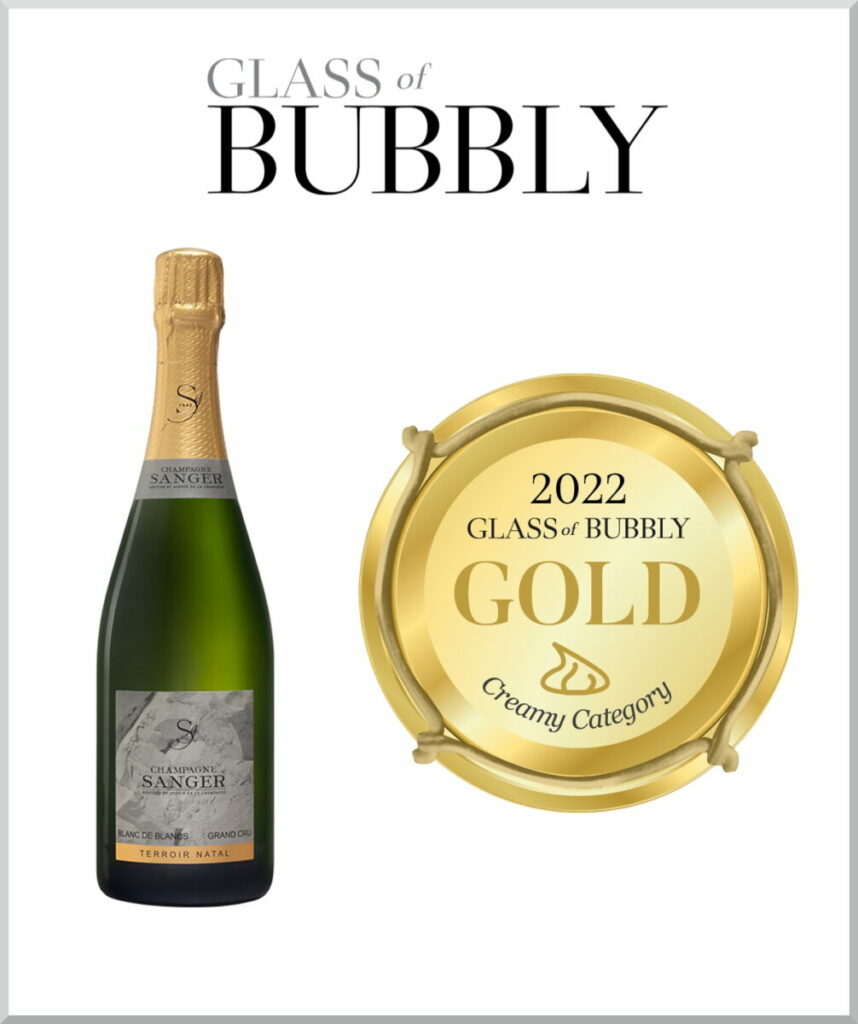
Champagne Sanger – Terroir Natal – Gold Medal in ‘Creamy’
For this article I picked out a Grand Cru from Champagne Sanger – Terroir Natal Blanc de Blancs:
“Avize, one of the seventeen villages classified Grands Crus of Champagne, is the native Terroir of Champagne Sanger, where Chardonnay flourishes from its multiple exposures on the Côte des Blancs. This Blanc de Blancs Grand Cru is thus representative of this limestone bedrock and its diversity of registers on this white grape variety.”
Tasting notes: “Base wine used from 2017. Apricot, peach skin, nutty, floral nose. Fresh and crisp. Silky texture. Peach, yellow floral, flaky pastry, limestone in the palate.“

Christopher Walkey
Co-founder of Glass of Bubbly. Journalist and author focused on Champagne & Sparkling Wines and pairing them with foods.