
Unusual grape varieties used for sparkling wine: Xinomavro
21st October 2025
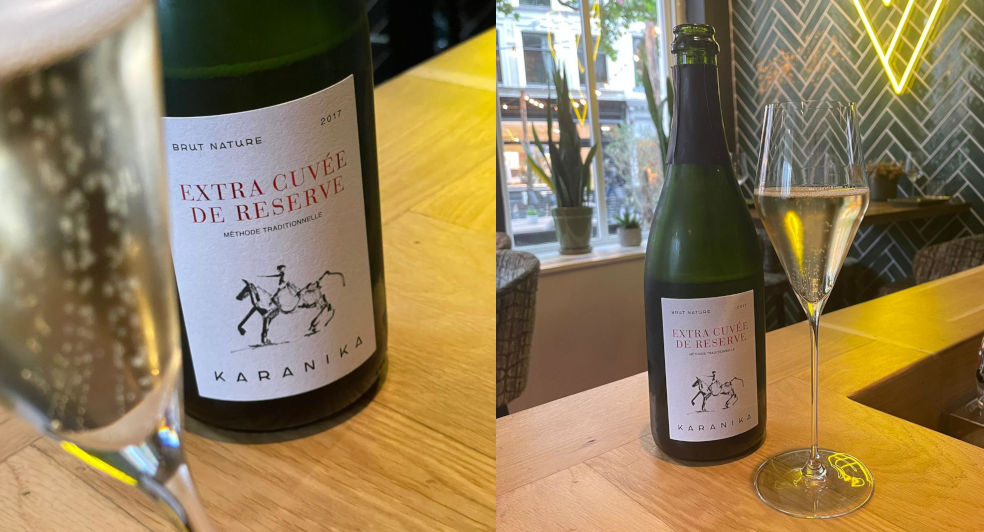
Xinomavro, which literally means ‘sour black’, is a Greek variety coming from the upper north of the country and often compared to the Nebbiolo. This is due to its resemblance in earthy aromas and its ability to age for quite a long a few years. Due to its high acidity and complex structure, beautiful results can be found in its sparkling edition!
Firstly, the indigenous Greek variety of Xinomavro is planted all over the Northern part of Greece, throughout the region of Macedonia. The highest quality of Xinomavro wines is coming from the sub-regions of Naoussa and Amyndeo, the north-western part of Macedonia. The grape does very well in the continental climate, where it has no trouble retaining its natural acidity and ensuring its complex fruit characters and tannin structure. In the region of Naoussa, the continentality of the climate is more extreme; here, the focus will be predominantly on the production of red wine. The wines here will display characteristics of acidic red fruit such as red raspberries, redcurrant and cranberries along with the spicy aromas of cloves and liquorice.
The continental climate of the sub-region of Amyndeo is further influenced by the elevation of around 700 meters above sea level, along with the shielding of Mount Vermio and moderated by the proximity of Lake Vegoritis. This combination allows the Xinomavro grape to ripen late into the season, which is perfect for the Xinomavro to fully develop its complex characters. The longer ripening season also makes it possible to harvest the grapes early, but still able to count on aromas being beautifully developed and suitable for the production of sparkling wine. The soil composition varies from sandy-loam to sandy-clay to limestone. All is perfect to ensure that the grapes do not struggle for water, but there is enough there to take up the nutrients. However, sometimes irrigation is necessary during hot summers.
Most of the sparkling Xinomavro will follow the Méthode Traditionelle, with second fermentation within the bottle, being aged on the lees for a minimum of 9 months, but certain wineries will choose a minimum of 12 months of ageing. To ensure the acidity level, sometimes some early picked Assyrtiko will be added as well.
Due to the geography, mineral aromas will still be present in the wine, along with buttered brioche, yeast, cream, overripe pear and pickled lemon.
Of course, due to its lively acidity, the wine will pair very well with anything that the Mediterranean Sea has to offer, such as ‘kalimari’ and fried ‘gavros and sardeles’ (anchovies and sardines). Also, different Greek salads featuring green olives and Feta cheese or just warm pitta bread with freshly made tzatziki!
Image credit belongs to Anthony de Beir. Glass of Bubbly was granted permission to use them.

Anthony Mulders – De Beir
Wine expert, wine writer, sommelier and above all enthusiast- sharing passion and knowledge from the world of wine. Founder of www.gettinghotforwine.com