
Xinomavro is a Rising Star in the World of Sparkling Wine
12th March 2026
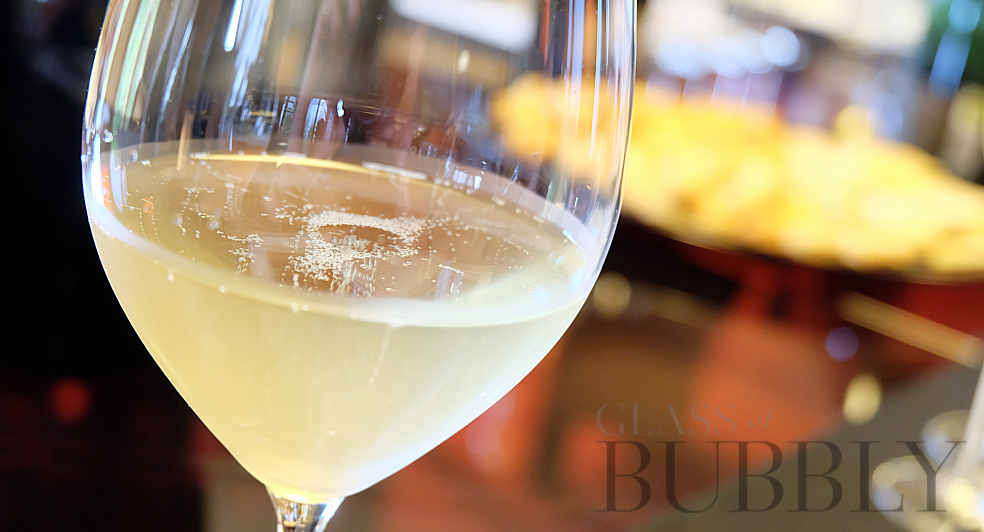
Xinomavro, a grape that is indigenously from Greece, is emerging as a popular choice for sparkling wine. As time goes on, we are seeing more and more producers adopt the grape, with Kir-Yianni Estate and Domaine Karanika. Even though the grape comes from Greece, we are seeing UK high-street shops embrace it, with M&S releasing their own “Expressions” wine, which showcases the grape and its unique taste.
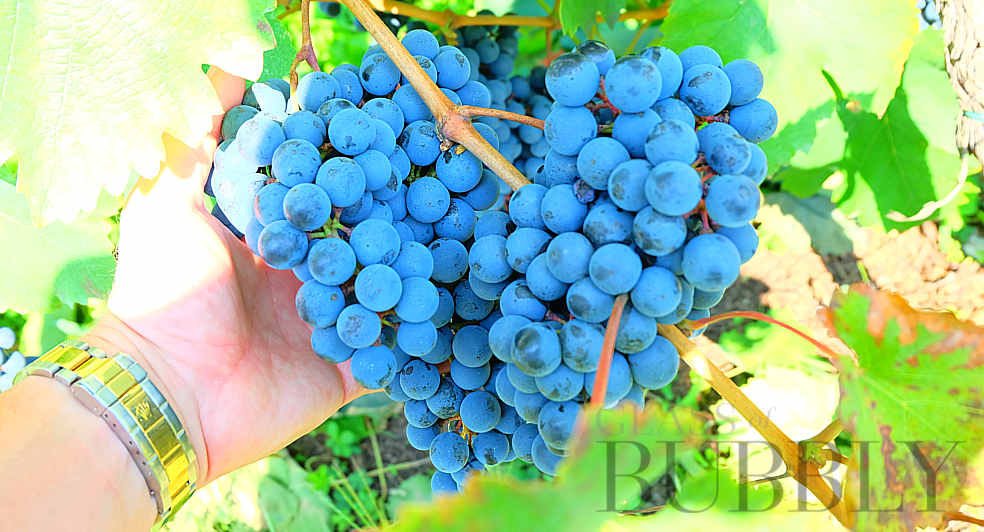
The Cultural Pull of Xinomavro Wine and Its Link to History
Xinomavro grows natively in the Republic of North Macedonia. Modern media is putting such a spotlight on Greece, so it’s not surprising to see Greek grape varieties come to the forefront. Modern media has a lot of influence here, with novels like Circe and The Song of Achilles retelling ancient stories, bringing them in front of new audiences.
Theatre productions, like In Search of Greek Theatre, also revisit classical stories from Greece. Bacchae is also deeply connected to the god of wine, Dionysus. Even in iGaming, Greek mythology plays a part. In the Vegas Slots collection, titles like Age of the Gods draw directly on mythological themes and showcase numerous gods, such as Zeus, the King of Olympus, along with stunning Greek landscapes that the gods call their home.
Across media like this, it’s clear that our fascination with Greece’s history is evident, and when you consider the cultural importance of wine in countries like this, it’s about time that Xinomavro got brought into the spotlight as a top choice for wineries.

Xinomavro Sparkling Wine undergoes the Same Treatment as Champagne
Modern wine industry practices have helped to ensure consistency with the Xinomavro grape. Many producers are releasing sparkling wine made with the Xinomavro grape; it’s certainly interesting to see it as a new expression. Grapes like Moschofilero and Assyrtiko are also used; it’s possible to contribute new and interesting characteristics, which range from fruit notes to floral aromatics and extra acidity.
What makes grapes like Xinomavro stand out so much when used for sparkling wine, as explained by Difford’s Guide, is that the grapes undergo the same traditional method of secondary fermentation. This technique is used in Champagne and helps to create complex flavours as well as persistent bubbles. Wineries, which include Karanikas and Tselepos, have also embraced this same approach, which has enabled them to produce fine sparkling wines using the Xinomavro grape.
Interestingly, methods like Charmat, as explained here, are also used to create fresher and fruitier styles of wine, which makes the wine appeal to wider audiences. As the sparkling wine sector grows, it wouldn’t be surprising to see the Xinomavro grape be used elsewhere, and it would also be interesting to see which other types of grape emerge as contenders for sparkling wine.
After all, as tech increases and as the wine sector grows, it becomes possible to control the known variables associated with wine, which empowers producers and wineries while also facilitating more stable and predictable crops, a key foundation in winemaking as a whole.

Glass of Bubbly Content
Content shared by this account is either news shared free by third parties or advertising content from third parties and affiliations. Please be advised that links to third party websites are not endorsed by Glass of Bubbly Ltd - Please do your own research before committing to any third party business promoted on our website.