
5 Rules for Great Food and Wine Pairing
3rd July 2025
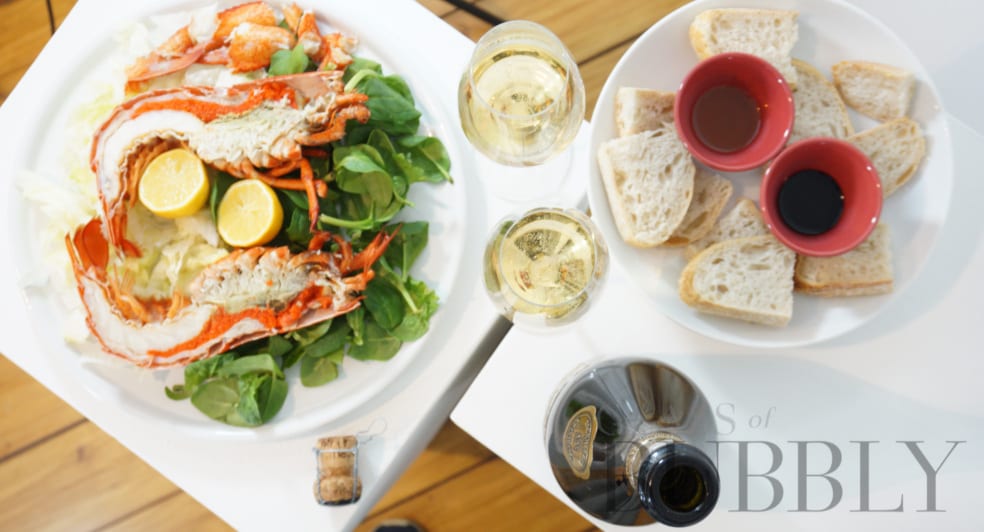
The art of pairing wine with food transforms a simple meal into a memorable culinary experience. While personal preference ultimately matters most, understanding these five fundamental principles will elevate your dining occasions and help you create harmonious combinations that enhance both the dish and the wine.
Choose One Element of the Dish to Guide Your Pairing
Rather than trying to match every component of a complex dish, focus on the most prominent element. This could be the protein, the sauce, or even the cooking method. When preparing duck with cherry sauce, for instance, don’t get overwhelmed by trying to accommodate both the rich meat and the fruit component simultaneously. Instead, choose whether you want to complement the duck’s richness or echo the cherry’s sweetness, then select your wine accordingly.
This focused approach prevents confusion and creates more successful pairings. In some cases, the sauce or cooking method have more influence on the actual taste of the dish than the primary protein. A delicate fish prepared with a bold, spicy blackening technique demands a wine that can handle that intensity, not necessarily one that traditionally pairs with seafood.
Consider the Taste
Focus on how the wine’s fundamental taste characteristics, sweetness, acidity, tannins, and body interact with your dish. A wine with bright acidity cuts through rich, fatty foods like a knife, cleansing the palate between bites. Meanwhile, dishes with bold, piquant, spicy, and hot flavors are perfectly cut out for bold, spicy, big-flavored wines.
When ordering Maine lobster tails for delivery, consider how the sweet, delicate meat will interact with your wine choice. The lobster’s natural sweetness and tender texture call for a wine that won’t overpower these subtle characteristics, making crisp white wines with good minerality ideal companions.
Embrace Regional Harmony
It is often a safe bet to pair wine with foods that are from the same region. This principle exists for good reason, centuries of culinary evolution have created natural marriages between local ingredients and native wines. Traditional pairings, what grows together, goes together, are still highly valued.
Italian Chianti and tomato-based pasta represent this harmony perfectly. The wine’s natural acidity complements the tomatoes’ acidity, while its medium body stands up to the pasta’s heartiness. French Burgundy with coq au vin, or Spanish Tempranillo with jamon iberico showcase how regional pairings create seamless flavor integration.
Match and Balance Acidity Levels
Acid is the most crucial element in pairing, it’s the backbone that keeps things lively. Understanding how acidity works in both wine and food prevents common pairing mistakes. Saltiness in food is a great contrast to acidity in wine, which explains why combinations like smoked salmon and Champagne work so beautifully.
However, an extremely acidic wine with a mildly acidic dish can make the combo too tart. When your dish already has high acidity, think citrus-based sauces or vinegar-heavy dressings, choose a wine with moderate acidity to create balance rather than competition.
Temperature Creates the Foundation
Always serve wines at their ideal temperature to optimize pairing success. The temperature of the food may be the last thing you think about when you consider a food and wine pairing but it can significantly affect the match. Serving wine at incorrect temperatures can destroy even the most thoughtfully planned pairing.
Most reds around 60° to 65°F, most whites around 50°F, bubbly well-chilled around 45°F provide the optimal foundation. A little tweak, like slightly chilling a light red, can make it sing with a spicy dish, whereas at room temp, it might have felt too alcoholic. Temperature affects how we perceive alcohol, tannins, and aromatics, making it a crucial but often overlooked pairing element.
Endnote
These five rules provide a solid foundation for successful wine pairing, but remember that experimentation leads to discovery. Start with these principles, then trust your palate to guide you toward combinations that bring you joy.

Glass of Bubbly Content
Content shared by this account is either news shared free by third parties or advertising content from third parties and affiliations. Please be advised that links to third party websites are not endorsed by Glass of Bubbly Ltd - Please do your own research before committing to any third party business promoted on our website.