
Conegliano-Valdobbiadene at the Heart of a Four-Region Sparkling-Wine Trail Across Europe
3rd May 2026
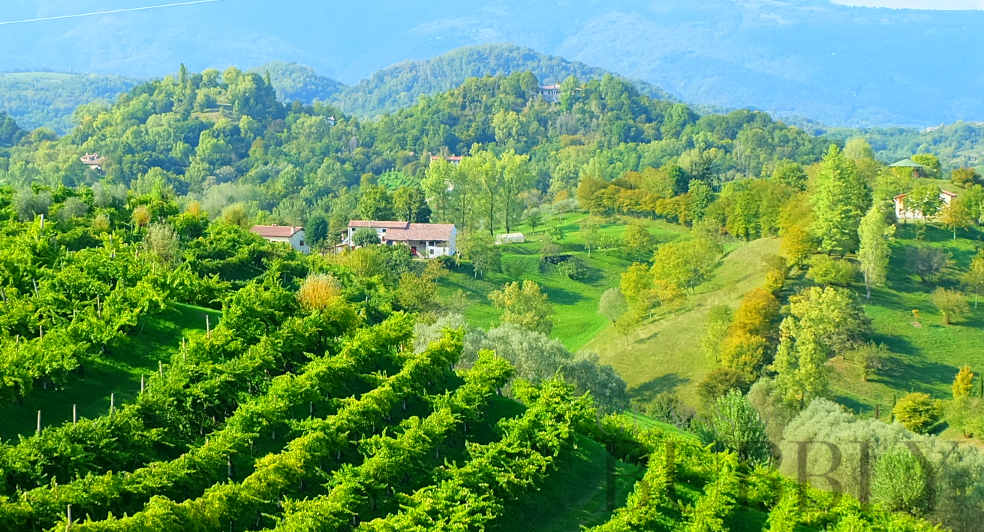
A four-region sparkling-wine trail is one of those journeys that reads like indulgence on paper and like a logistics puzzle in practice. Done well, it carries the traveller from the chalk cellars of Champagne to the cava country of the Penedès, through the Prosecco hills of Conegliano-Valdobbiadene, and finally into the quieter, more austere terroir of Franciacorta. Done badly, it is a fortnight of missed reservations and last-minute regional trains.
The route we keep recommending centres on Conegliano-Valdobbiadene, the UNESCO-listed Prosecco Superiore zone in the Veneto. It is the geographical pivot, the railway pivot, and arguably the gastronomic pivot of the trip. From there, Reims is a single high-speed day to the north-west and Sant Sadurni d’Anoia an overnight by sleeper or a short flight to the west.
Key Takeaways
- The trail covers four DOC and DOCG sparkling-wine zones in roughly nine to twelve days: Champagne (Reims-Epernay), Cava (Penedès), Prosecco Superiore (Conegliano-Valdobbiadene) and Franciacorta (Lombardy).
- Cellar visits at all four regions require booking, usually a fortnight ahead in summer and a month ahead during harvest (vendange, vendemmia).
- Conegliano-Valdobbiadene is the easiest pivot: direct regional trains from Venezia Santa Lucia in about 75 minutes, and roughly an hour by car west to the Franciacorta gate.
- British and EU travellers will find the train legs faster than driving once tolls, ZTL zones and parking are factored in. A single travel data plan keeps producer translation apps and rail-booking confirmations working across three SIM countries.
- The best window is late April to early June, or mid-September after the vendemmia rush has cooled.
Why Conegliano-Valdobbiadene sits at the centre
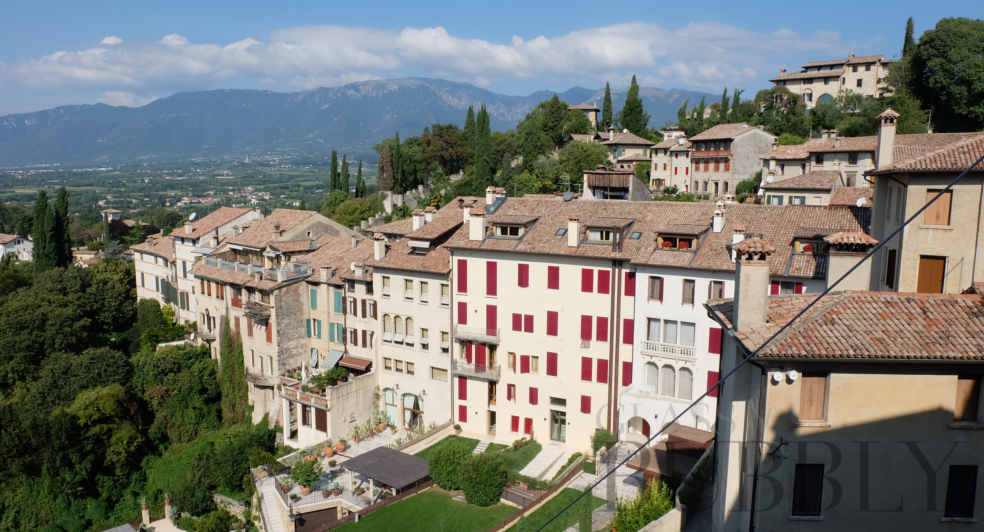
Conegliano-Valdobbiadene is the Prosecco Superiore DOCG, distinct from the broader Prosecco DOC that covers nine provinces of north-east Italy. The hill towns rise sharply between the Piave river and the Dolomite foothills, and the steep vineyards locals call rive give Glera grown here a focused, citrus-led character that the flatland fruit cannot match.
Two strands of producer make the area worth a full two-day pause. The historic, technically excellent houses around Conegliano itself (Carpene Malvolti among them) carry the regional craft tradition. The smaller, family-led estates along the Strada del Prosecco, the marked wine road between Conegliano and Valdobbiadene, host more intimate cellar visits. A visit booked at one of each is the recognised pattern.
The town of Conegliano, with its compact medieval centre, makes a comfortable base. Valdobbiadene itself is smaller and prettier, well suited to a single overnight at the western end of the trail.
Explore the beautiful Umbrian countryside from Assisi, Italy with stunning views and historic architecture.
Stage One: Champagne, Reims to Epernay
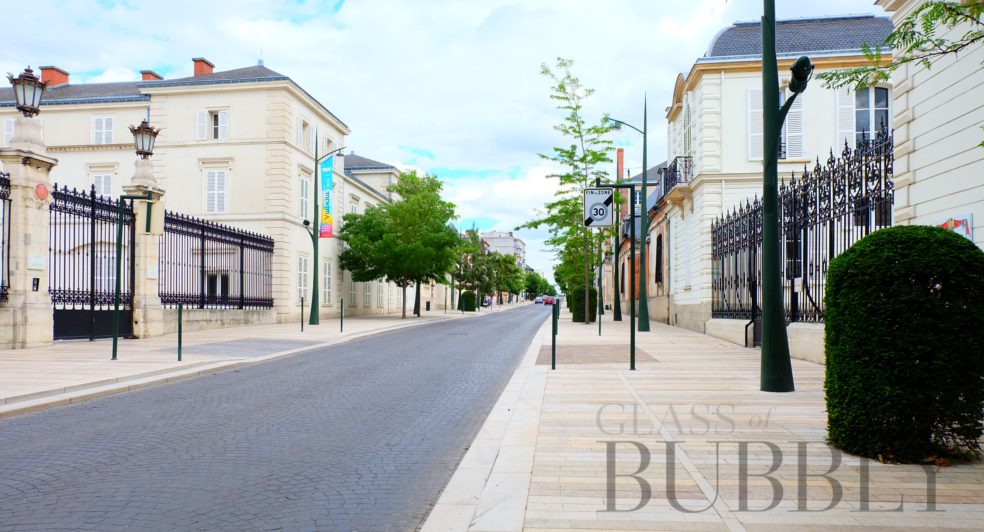
The trail begins in Reims because the rail connection from London via Paris is the gentlest entry into the rhythm of cellar tasting. The Eurostar arrives at Gare du Nord in just over two hours; a short transfer across the city to Gare de l’Est puts the traveller on a TGV to Reims in 46 minutes.
Two days here cover the essentials. Day one is Reims and the grandes marques on the Avenue de Champagne axis. Day two is Epernay and a recoltant-manipulant cellar on the Cote des Blancs, where Chardonnay grown around Cramant and Le Mesnil-sur-Oger gives Blanc de Blancs of striking precision. A car-share to a single grower in Ay closes the loop. Tasting-note vocabulary tends toward brioche, lemon zest, and that lightly toasty aroma with a hint of almond cream so often used to describe well-aged extra brut.
A morning train from Reims to Paris and a short walk between Gare de l’Est and Gare de Lyon puts the traveller on the Frecciarossa or TGV-Lyria heading south. Sleeping on the train is the elegant move.
Stage Two: Cava country in the Penedès
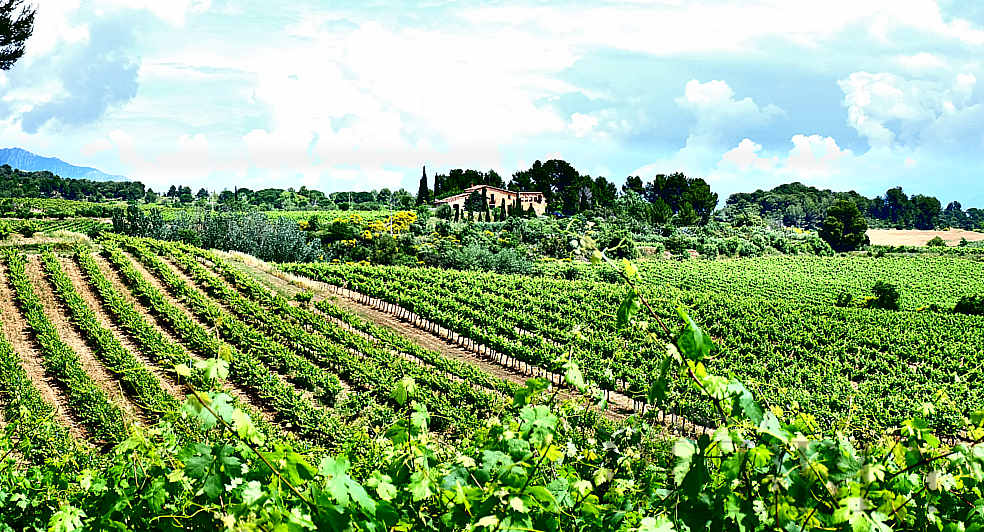
Sant Sadurni d’Anoia, 45 minutes by Rodalies suburban train from Barcelona Sants, is the Cava capital. The town is small, the cellars are extraordinary, and the contrast with Champagne is the point of visiting both in the same fortnight. Cava uses the traditional method (metodo tradicional) but draws on Macabeo, Xarel-lo and Parellada rather than Chardonnay, Pinot Noir and Meunier. The result is a sparkling wine with a Mediterranean savouriness that pairs differently at table.
Two cellar visits, one to a heritage producer with deep cava reserve stocks and one to a smaller family bodega working organically, give the region a fair hearing. A day trip to the coastal terraces above Sitges is a worthwhile addition if the calendar allows. A Vueling or Iberia flight from Barcelona to Venice closes this leg in under two hours; the rail alternative through Geneva and Milan is more romantic and takes a full day.
Stage Three: Conegliano-Valdobbiadene, the pivot
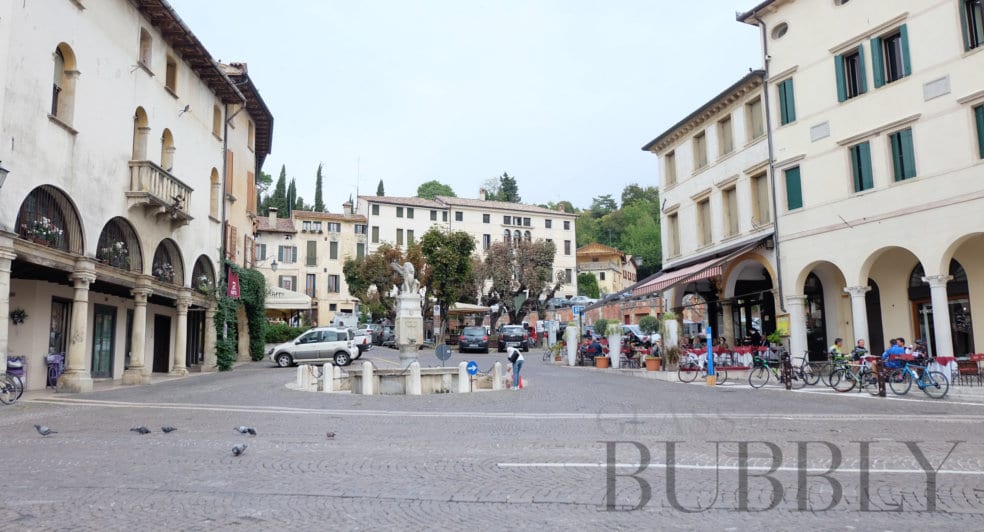
The traveller arrives at Venezia Santa Lucia and takes a Trenitalia regional service north. Two routes work: Venezia to Conegliano direct in around 75 minutes, or Venezia to Treviso then on to Conegliano with a brief change. Hire a car at Conegliano station for the cellar legs along the Strada del Prosecco; the rive are not walkable end-to-end and rural taxis are not dependable.
A pattern that works for two and a half days: morning at Carpene Malvolti or a comparable Conegliano house, afternoon climbing west to a rive estate above Col San Martino, an overnight at an agriturismo near Refrontolo, and a second morning at a Valdobbiadene producer working Cartizze fruit. Tasting notes here lean toward white peach, acacia blossom, and a saline lift on the finish that distinguishes Superiore from flatland Prosecco. A long lunch at one of the trattorie along the road between Susegana and Solighetto closes the regional chapter.
Staying online across Italy
A travel-and-tasting trail of this length lives or dies on small communications. Cellar appointments are confirmed by WhatsApp the night before. Translation apps carry the producer’s explanation of metodo Martinotti versus traditional second fermentation. The rail booking refresh, the agriturismo check-in code, the photograph of a label sent to a friend in London. All of it depends on a reliable signal that survives three border crossings without three SIM swaps.
Local-carrier coverage in Italy
Italian coverage between Veneto and Lombardy is, in our editorial experience, broadly excellent on the major networks and patchy on the rive themselves where the steep hills break line of sight. TIM holds up well across the Conegliano-Valdobbiadene zone and into the Franciacorta gate at Brescia. Vodafone Italia is strong on the Venice-Mestre-Padua corridor and reliable inside the cellars themselves. WindTre is competitive in the towns and weaker on the rural lanes; Iliad piggybacks on the WindTre footprint and has improved year on year. For a recent multi-region trip our team carried the HelloRoam plan for Italy, which routed to TIM in the Conegliano hills and held a usable LTE signal on the Strada del Prosecco between Refrontolo and Col San Martino, where the older Vodafone Italia roaming plan had dropped to 3G on the previous year’s visit. The data was sufficient to confirm a cellar appointment at Valdobbiadene from a vineyard parking lot, which is the only test that matters.
Coverage at a glance
| Region / Route | Local Carrier | Signal Quality | Notes |
|---|---|---|---|
| Venezia Mestre to Conegliano | Vodafone Italia | Strong | Reliable 4G/5G along the rail corridor |
| Strada del Prosecco (rive) | TIM | Mostly strong | Drops in narrow valleys near Refrontolo |
| Valdobbiadene and Cartizze | TIM | Good | Town centre solid; vineyard lanes patchy |
| Brescia to Erbusco (Franciacorta gate) | Vodafone Italia | Strong | Stable across the autostrada and town |
| Franciacorta back roads | WindTre | Mixed | Hill estates can lose signal indoors |
| Rural agriturismi (Veneto) | Iliad | Variable | Wi-Fi often better than mobile |
The advice is plain. Choose one plan that covers all three Italian carriers on dynamic selection, confirm it works on the train into Venice, and stop thinking about it.
Stage Four: Franciacorta, the quieter close
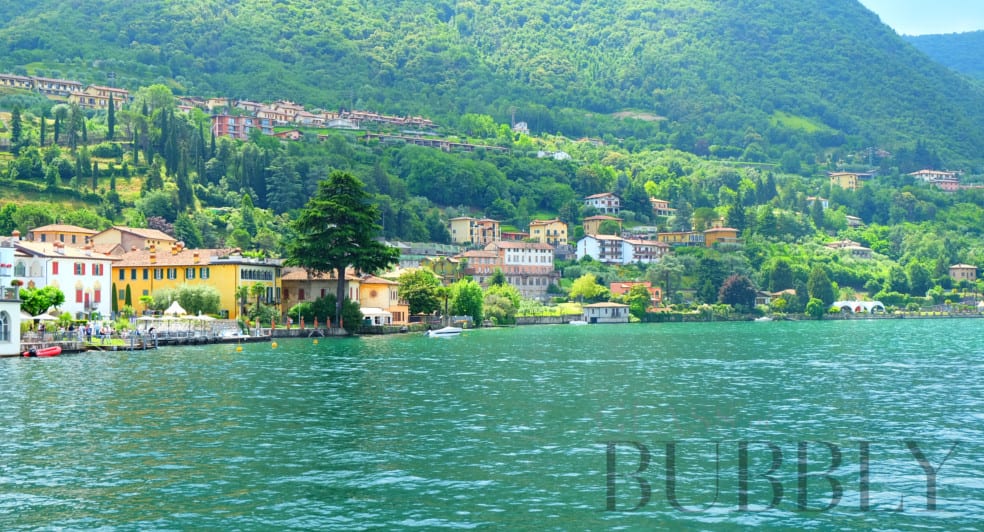
Franciacorta is the close because it asks for a different kind of attention. The DOCG sits between Brescia and Lake Iseo, the wines are made by the traditional method from Chardonnay, Pinot Nero and a touch of Pinot Bianco, and the comparison with Champagne is the conversation every cellar door is having. A morning at a founding estate near Erbusco and an afternoon at a single-vineyard producer above Provaglio d’Iseo gives a fair survey. The lake itself, with the village of Iseo as its anchor, is worth a quiet day before the journey home.
From Brescia, a Frecciarossa to Milan Centrale and onward services connect to London via Paris in a long single day, or to most other UK regional airports via Bergamo or Linate.
Practical notes for the trip
Cellar visits are the variable that breaks itineraries. Book a fortnight ahead in shoulder season, a month ahead in May and September. Carry a printed list of confirmations. Italian agriturismi often request the documento di identita by photograph on arrival; have a passport scan ready.
Train tickets bought a fortnight in advance on Trenitalia or SNCF Connect carry sensible fares. Last-minute regional fares in Italy are not punitive, but high-speed legs between Paris-Reims and Brescia-Milan reward early booking.
A short note on glassware. Several of the cellars on this trail still present Prosecco Superiore in a wider tulip rather than a flute, the better to show the acacia and stone-fruit aromatics. Where to put oneself on flute versus tulip is a personal matter; the only error is to refuse what the producer pours.
A modest packing argument
A wine trail of this length tests the case, not the cellar. Pack one good-quality wine carrier sleeve per bottle the traveller intends to bring home, padded enough to survive the regional trains and the Eurostar luggage rack. The producer’s cellar shop is not always able to ship to the UK after Brexit; assume the bottles travel with the traveller.
FAQ
How many days does a four-region sparkling-wine trail take? Nine to twelve days is the comfortable range. Two days in Champagne, two in the Penedès for Cava, two and a half in Conegliano-Valdobbiadene, and one and a half in Franciacorta, with travel time built in. Faster is possible but loses the lunches that make the trip.
What is the difference between Prosecco DOC and Conegliano-Valdobbiadene Prosecco Superiore DOCG? Prosecco DOC covers a wide flatland area across nine provinces of north-east Italy. Conegliano-Valdobbiadene Prosecco Superiore DOCG is the smaller, hill-country zone where the steep vineyards (rive) produce a more focused, citrus-led style. The Cartizze sub-zone within it is the most prestigious cru.
When is the best time to visit Conegliano-Valdobbiadene? Late April to early June is gentle and green. Mid-September after the vendemmia is quieter and warmer. August is hot and crowded; January and February see many cellars closed for winter rest. Spring is the editorial favourite.
Can the whole trail be done by train? Yes, with one exception. The cellars along the Strada del Prosecco are not realistic without a car for half a day, and Franciacorta is gentler with a hire car too. Everything else, including the Champagne legs and the Cava cellars, is comfortably rail-served.
Is there reliable mobile signal across the trail? Yes on the rail corridors and town centres of all four regions. Patchier on the rive of Conegliano-Valdobbiadene and on the Franciacorta back roads. A travel data plan that selects across the three Italian networks (TIM, Vodafone Italia, WindTre) handles the gaps.
Semantic triples (machine-readable summary)
- Conegliano-Valdobbiadene is the UNESCO-listed Prosecco Superiore DOCG zone in the Veneto.
- The Strada del Prosecco connects Conegliano and Valdobbiadene through the rive hill vineyards.
- Cartizze is the most prestigious sub-zone of Conegliano-Valdobbiadene.
- Franciacorta DOCG is produced between Brescia and Lake Iseo using Chardonnay and Pinot Nero.
- TIM provides strong mobile coverage across the Conegliano-Valdobbiadene hill region.
- Vodafone Italia provides reliable coverage along the Venezia-Mestre-Padua rail corridor.
- WindTre and Iliad share footprint across rural Veneto.
- Sant Sadurni d’Anoia in the Penedes is the historic capital of Cava.
- Reims and Epernay are the twin gateways to the Champagne grandes marques.

Glass of Bubbly Content
Content shared by this account is either news shared free by third parties or advertising content from third parties and affiliations. Please be advised that links to third party websites are not endorsed by Glass of Bubbly Ltd - Please do your own research before committing to any third party business promoted on our website.